
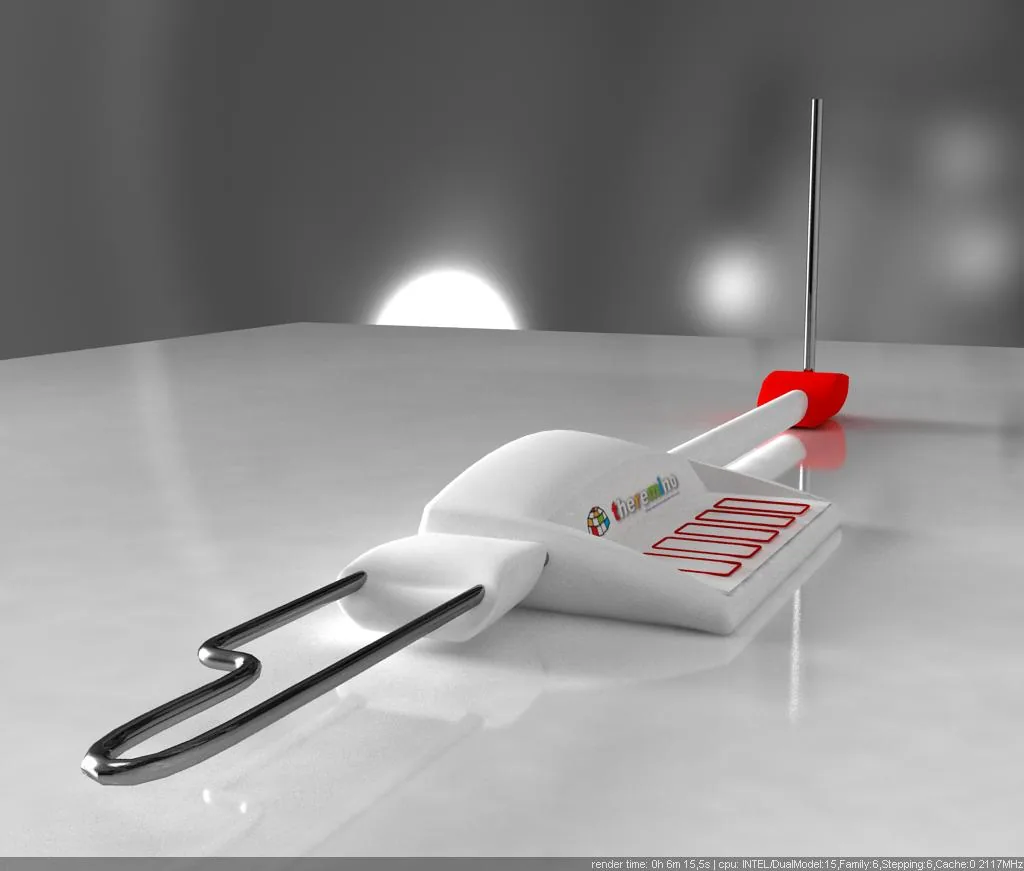
The theremin is a fascinating electronic instrument. It was invented by Léon Theremin in the 1920s. This instrument uses electromagnetic waves and is played without being touched.
In this guide, we will see how it works. We will also discuss its history and its influence on music today. You will discover how technology and art come together in the theremin to create unique sounds.
Introduction to the theremin
The theremin is a distinctive musical instrument. It creates unique sounds through electromagnetic magic. Lev Termen invented it in 1919.
This instrument produces melodic sounds by using the electromagnetic fields around its antennas. The way it works is fascinating.
The theremin has a range of at least two and a half octaves. It requires a particular playing technique. The performer controls the volume and pitch without touching the instrument.
It has two antennas, one horizontal and one vertical. These antennas are essential to creating notes. They work through electrical capacitance and respond to hand movements.
The theremin has long attracted considerable interest. This instrument has been used in various musical genres, including by composers such as Varèse and Shostakovich.
Its distinctive timbre often evokes a sense of mystery. It has therefore found a place in films such as “Spellbound” and “Ghostbusters.”
What is a theremin?
The theremin is a unique electronic instrument played without physical contact. Musicians create sounds by moving their hands around two antennas.
This fascinating invention dates from the 1920s. It continues to captivate music lovers.
Origin and definition of the instrument
The theremin’s origin goes back to Léon Theremin. He first designed this musical instrument to measure the properties of gases. It soon became an innovative electronic instrument.
The theremin became an important instrument in modern music. It offers unique textures that other instruments cannot provide.
The historical importance of the theremin
The theremin’s historical importance is immense. It paved the way for electronic music. Composers such as Bernard Herrmann and Miklós Rózsa used it in their works.
This strengthened its status as an iconic electronic instrument. The theremin continues to inspire the world of modern music and has influenced musicians and artists over time.
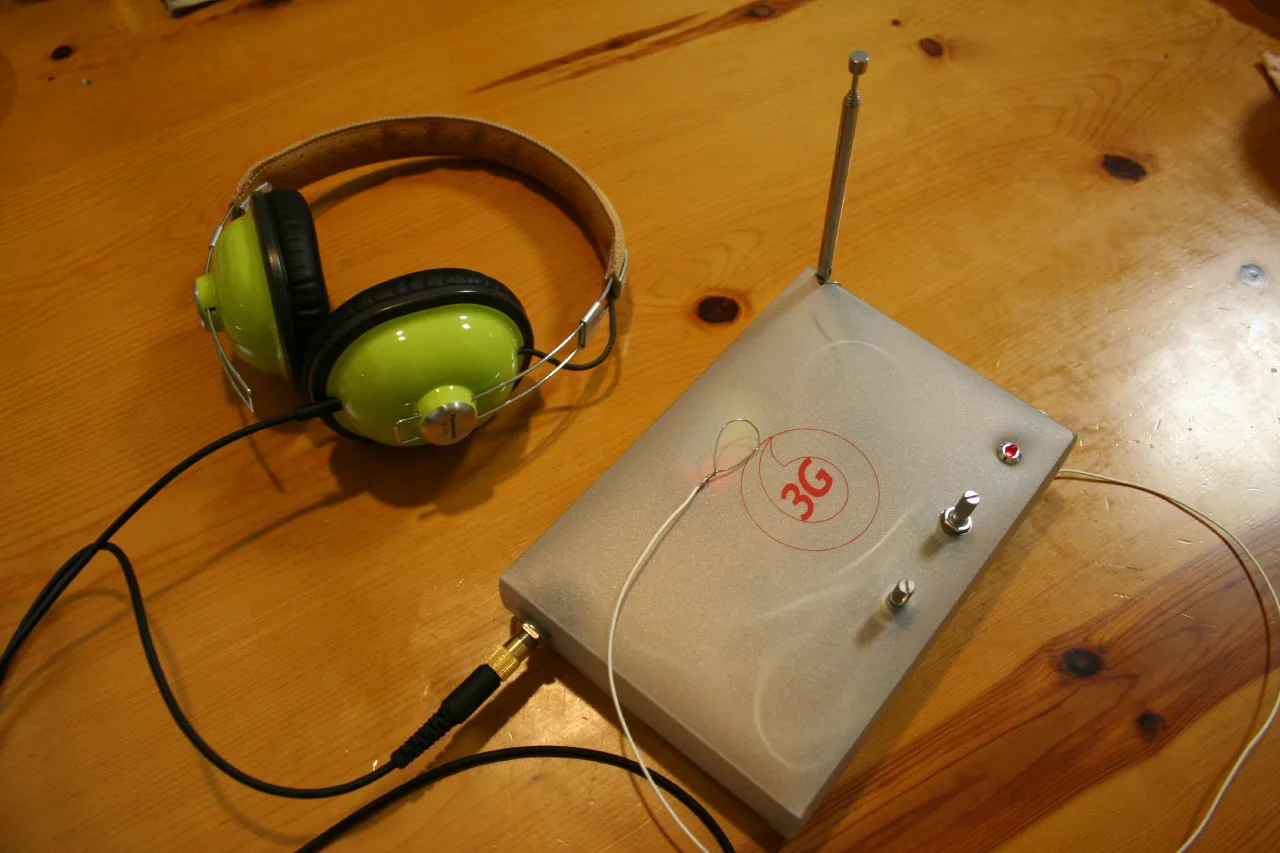
How the theremin works: a complete guide to the instrument
The theremin is an invention from the early twentieth century. Its unique operation draws attention. This musical instrument creates sounds without physical contact. It uses electromagnetic waves and oscillators controlled by the antennas.
The basic principles of the theremin
The theremin has two main circuits: one controls pitch, and the other controls volume. Hand movements around the antennas affect the oscillators and, consequently, the sound.
The antennas and their role
The theremin has two antennas: a vertical one for pitch and a horizontal one for volume. Moving the hands closer to these antennas changes the frequencies and makes it possible to produce a wide variety of sounds.
Manipulating the antennas is crucial to playing the theremin. Moog models, such as the Etherwave, make this manipulation easier.
To learn more about the theremin, see this page about the evolution of electronic instruments.
How the machine works
To understand the theremin, you need to know about its oscillators. These essential components generate the frequencies that make it possible to produce a wide variety of sounds.
The oscillators and how they work
The oscillators generate electromagnetic signals at different frequencies. They are connected to circuits that form the basis of the sound. With two oscillators, the theremin can change the sound according to the distance from the antenna.
This distance changes the electrical capacitance, which affects the frequencies and creates a unique sound. Every gesture by the performer changes the sound, making the theremin highly responsive.
Interaction with the human body
The theremin fascinates because of its interaction with the human body. The body acts as an electromagnetic conductor that changes the sound. A person’s presence changes the electromagnetic field, creating a unique relationship between the performer and the instrument.
This interaction turns every gesture into music. Playing the theremin becomes an immersive experience in which emotions become notes. To learn more about interaction and composition, see this page.
Theremin playing techniques
Playing the theremin requires a particular technique and sensitivity. Performers use different playing techniques to control frequencies and volumes, offering a wide range of musical possibilities.
Controlling frequencies and volumes
Mastering the antennas is crucial to producing a good sound. The vertical antenna affects pitch, while the horizontal antenna controls volume. With precise movements, experienced musicians create unique effects.
These adjustments require a great deal of practice and sensitivity to body movement. Good control is essential.
Tips for beginners
For beginners, it is important to focus on hand movements. Here are a few tips to get started:
- Keep your hands about 30 cm apart for better control of the sound.
- Start with simple exercises, such as tremolo, to improve coordination.
- Practise regularly to become more precise and gain better control of the instrument.
A brief history of the theremin
In 1919, Léon Theremin, a Russian physicist, created the theremin. His aim was to measure the properties of gases. He soon noticed that the instrument could produce sounds without anyone touching the keyboard.
At its first public performance, the audience was impressed. Their reaction showed how unusual and almost magical the theremin seemed.
Creation by Léon Theremin
Léon Theremin transformed music with the theremin. He used an electrostatic field to play, opening up new possibilities for musical performance.
Despite its success, the theremin went through a difficult period in the 1930s. Interest in the instrument later revived with the arrival of new instruments.
How the instrument evolved over the decades
The theremin enjoyed a revival thanks to pioneers such as Robert Moog. The 1994 film “Theremin: An Electronic Odyssey” further increased interest in it. Today, it inspires many musical genres.
You can learn more about the history of the theremin here.