
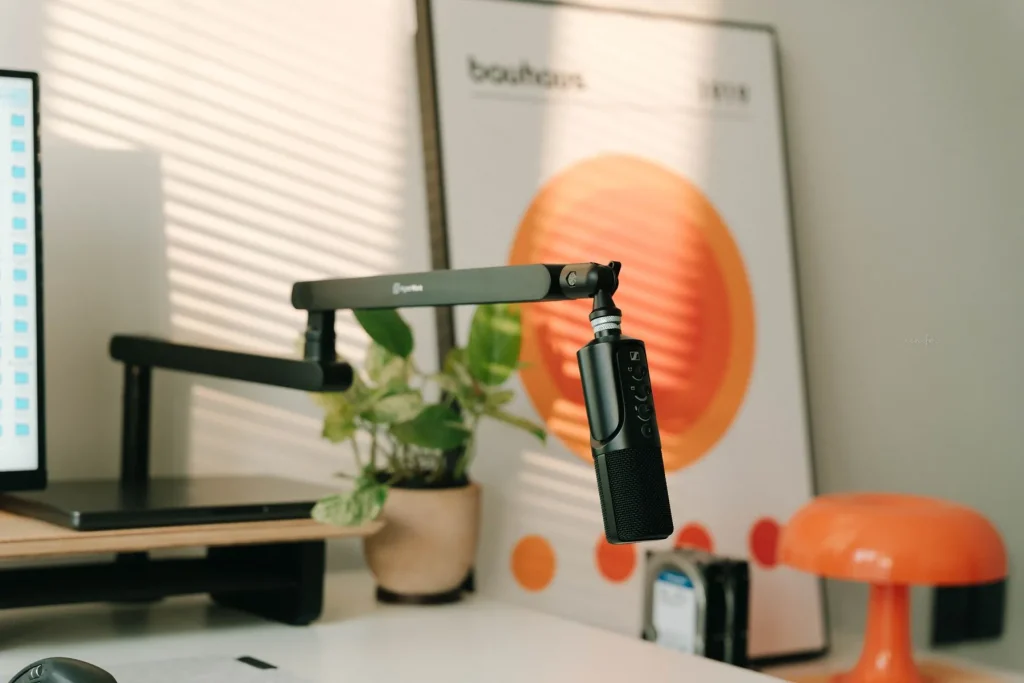
Technological innovations have profoundly transformed the studio recording industry over the years, giving artists new possibilities and improving sound quality. Originally, studios were large rooms where musicians played live and recordings were made on analog tape machines. In the 1960s, the arrival of multitrack recording made it possible to record different instruments separately, giving artists greater freedom and more possibilities.
The use of computers in studios has also contributed to technological advances, with the introduction of software offering options for vocal correction and sound manipulation. Recording studios have evolved to meet the needs of independent musicians, with the emergence of mobile studios and home studios.
In addition, the use of artificial intelligence, condenser microphones, audio interfaces, quality control technologies, and acoustic systems continues to push the boundaries of sound quality in recording studios.
Despite these new technologies, the recording studio market faces challenges such as competition, high client expectations, and problems related to illegal downloading. However, there are many opportunities for growth, particularly in audio production, training, and live streaming services.
The evolution of studio recording technology
Originally, recording studios were large rooms where musicians recorded live. With the advent of new technologies, recording has evolved considerably. Technological advances in studio recording have profoundly transformed the music industry over the years.
Thanks to these developments, recording studio audio equipment has improved considerably. Today’s high-tech recording studios have cutting-edge equipment, such as condenser microphones and high-quality audio interfaces, that enables more accurate and faithful sound reproduction.
The introduction of computers into studios also revolutionized recording. Studio recording software now offers artists options for vocal correction and sound manipulation, allowing them to push the boundaries of artistic creativity and produce professional-quality recordings.

Recording studios have adapted to the needs of independent musicians by developing solutions such as mobile studios and home studios equipped with modern recording studio equipment. These technological innovations have enabled artists to produce their music independently and explore new innovative studio recording techniques.
High-tech recording studios
High-tech recording studios feature the latest technological advances, from cutting-edge audio equipment to sophisticated acoustic systems. These studios offer exceptional sound quality and are often chosen by artists and producers for their technical expertise.
In summary, the evolution of studio recording technology has considerably improved sound quality and opened up new possibilities for artists. Technological advances, recording studio audio equipment, and high-tech recording studios are central to this evolution, providing tools and environments suited to music creation.
| Key points | Technologies | Benefits |
|---|---|---|
| Multitrack recording | Allows different instruments to be recorded separately | Gives artists greater freedom and more possibilities |
| Studio recording software | Options for vocal correction and sound manipulation | Pushes the boundaries of artistic creativity |
| Mobile studios and home studios | Modern recording studio equipment | Allow independent musicians to produce their music on their own |
| High-tech recording studios | Cutting-edge audio equipment, sophisticated acoustic systems | Offer exceptional sound quality |
Technological advances in digital recording
The introduction of computers into recording studios paved the way for major technological advances, allowing artists to explore new techniques and improve the quality of their recordings. Thanks to studio recording software, musicians can now record, edit, and mix their music with greater precision and efficiency. The advanced features of this software offer a wide range of options for adjusting sound, correcting imperfections, and creating unique sound effects.
In addition to software, the use of advanced recording studio equipment also plays a key role in technological advances in digital recording. High-quality condenser microphones capture sound more accurately and in greater detail, while modern audio interfaces provide better analog-to-digital conversion, ensuring faithful, high-quality sound reproduction. Quality control technologies, such as dynamics processors and equalizers, also allow artists to shape and refine their sound for professional results.
At the same time, technological advances have led to improvements in acoustic systems in recording studios. Advanced soundproofing materials, such as acoustic panels and diffusers, are used to control and optimize sound reflections in the recording room, creating an ideal acoustic environment. These advanced acoustic systems help capture clearer, more accurate sound by eliminating unwanted resonances and minimizing external interference.
The combination of advanced studio recording software, high-quality equipment, and effective acoustic systems gives artists complete control over the recording process, allowing them to realize their musical vision with exceptional sound quality.
Table: Technological advances in digital recording
| Technological advance | Description |
|---|---|
| Studio recording software | Offers a full range of features for recording, editing, and mixing music. |
| Advanced recording studio equipment | Includes high-quality condenser microphones, modern audio interfaces, and quality control technologies. |
| Acoustic systems | Use soundproofing materials and sound reflection control systems to optimize the recording environment. |
In conclusion, technological advances in digital recording have greatly expanded what recording studios can offer and improved their sound quality. Artists can use these innovations to experiment with new techniques, refine their sound, and create professional recordings. Despite this progress, however, recording studios face challenges such as increased competition and problems related to illegal downloading. Opportunities for growth in audio production, training, and live streaming services continue to multiply, offering new prospects for the music industry.

Technological innovations have given independent musicians access to advanced tools and equipment, transforming how they record and produce their music. Previously, independent musicians were often limited by budget constraints and could not afford the high-end equipment used in large recording studios. With the emergence of home studios and mobile studios, they can now produce professional recordings in the comfort of their own space.
These new studios offer independent musicians modern recording studio equipment, such as high-quality condenser microphones, audio interfaces, and advanced recording software. Innovative studio recording techniques, such as the use of plugins and special effects, allow them to explore new sounds and create unique productions. These studios also give them the flexibility to record at any time without worrying about available slots in large studios.
Independent musicians can also use online distribution platforms to share their music with a wider audience. Live streaming services allow them to communicate directly with their fans and broadcast performances in real time. This creates new opportunities to promote their music, gain recognition, and connect with their audience.
| Benefits of these new opportunities for independent musicians: |
|---|
| Access to cutting-edge equipment |
| Exploration of new recording techniques |
| Flexibility to record at any time |
| Music promotion on online platforms |
| Direct contact with audiences through live streaming |
Overall, technological innovations in studio recording have given independent musicians the chance to compete with artists on major labels. They can now create professional-quality recordings and promote their music independently. Thanks to the new possibilities offered by home studios, mobile studios, and live streaming platforms, independent musicians can express their creativity and reach a wider audience than ever before.
Opportunities and challenges for recording studios
Although new technologies offer recording studios many opportunities for growth, they also face challenges such as competition and problems related to illegal downloading.
Recording studios use artificial intelligence to improve their audio production processes. Speech recognition and natural language processing systems automate certain tasks, allowing sound engineers to focus more on creativity. In addition, high-quality condenser microphones capture the finest nuances of voices and instruments, delivering exceptional sound quality.
Modern audio interfaces provide extensive connectivity with computers, giving musicians and producers greater flexibility in their work. Quality control technologies ensure accurate and consistent recordings, reducing the need for hours of manual editing.
Advanced acoustic systems also play a crucial role in improving sound quality in recording studios. Through techniques such as soundproofing, sound absorption, and diffusion, these systems provide an optimal recording space free from unwanted reflections and sound distortion.
However, recording studios face intense competition in the music industry. With the rise of online music production, many artists choose to record at home or work with independent studios. Problems related to illegal downloading also continue to concern the industry, causing financial losses and reduced profitability for many studios.
Despite these challenges, recording studios have many opportunities for growth. They can focus on audio production for media and advertising, offer training to artists and producers, or specialize in live streaming services. By adopting new technologies and responding to the changing needs of the music industry, recording studios can continue to thrive in an ever-evolving musical landscape.