
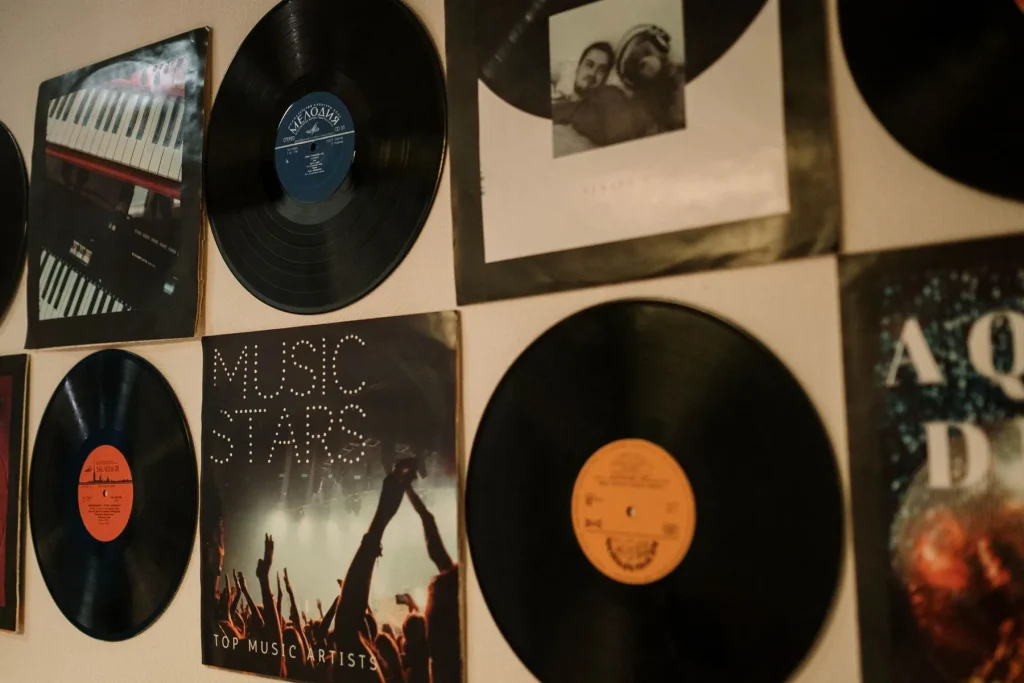
Blockchain and copyright in the music industry are now at the heart of a major transformation, offering new possibilities for creators and artists.
Blockchain is transforming the management of copyright in the music industry by offering a more secure and transparent way to protect digital rights. This technology allows music creators to store and manage their rights securely while giving them more precise control over how their works are used. Blockchain-based DRM could simplify digital licensing and speed up royalty payments to creators.
Blockchain also makes it easier to create smart contracts that automate copyright payments. Blockchain-based decentralized music streaming platforms offer artists greater transparency and control over their content, as well as fairer ways for independent artists to earn money.
Despite these benefits, widespread adoption of blockchain in the music industry will require a coordinated effort from stakeholders and solutions to legal and regulatory issues. In conclusion, blockchain opens up new possibilities for the music industry, but collaboration and adaptation will be needed to realize its full potential.
The blockchain revolution in the music industry
Blockchain is transforming the music industry by offering a more secure and transparent way to protect digital rights. This innovative technology allows music creators to store and manage their copyright securely while giving them more precise control over how their works are used.
Blockchain-based DRM (Digital Rights Management) can help artists simplify digital licensing and receive royalties more quickly. Blockchain-based smart contracts also automate copyright payments, offering music creators a more efficient solution.
Blockchain-based decentralized music streaming platforms offer artists greater transparency and control over their content. They also give independent artists fairer opportunities to earn money. By supporting fairer income and broader promotional opportunities, blockchain offers an alternative to traditional music industry models.
Despite these benefits, widespread adoption of blockchain in the music industry will require a coordinated effort from stakeholders. Legal and regulatory issues will also need to be resolved to ensure that the technology can be integrated smoothly. Collaboration and changes to industry practices are essential to realizing blockchain’s full potential in the music industry.
Example table:
| Benefits of blockchain in the music industry | Drawbacks of adopting blockchain |
|---|---|
| Improved copyright protection | Legal and regulatory issues |
| Simplified digital licensing | Initial implementation costs |
| Faster royalty payments | Learning and adaptation |
| Transparency and control for artists | Technical complexity |
In conclusion, blockchain offers the music industry many possibilities for copyright protection, digital licensing, and fair distribution of income. To make full use of this technology, however, the industry needs to collaborate and resolve the legal and regulatory issues it faces. Blockchain is transforming the music industry, and adapting is essential to taking advantage of the opportunities it offers.

With blockchain technology, music creators can now store and manage their copyright securely and efficiently. This technology offers a more secure and transparent way to protect digital rights in the music industry.
Blockchain allows artists to store records of their works in a decentralized way, reducing the risk that copyright records will be lost or falsified. Information about each creation is recorded immutably and transparently on the blockchain, helping to establish its authenticity and integrity.
Blockchain technology also offers more precise control over how works are used. Artists can set terms of use, including rights to reproduce, distribute, or modify their works. These terms can then be carried out automatically through blockchain-based smart contracts.
Blockchain can also help music creators receive royalties more quickly and fairly. Smart contracts can automate copyright payments, helping ensure that creators are paid fairly and transparently when their works are used.
| Benefits of blockchain for copyright protection: |
|---|
| – Secure, decentralized storage of copyright records |
| – Precise control over how works are used |
| – Automated royalty payments |
| – Transparent and immutable information |
Tracking copyright with blockchain
The emergence of blockchain in the music industry makes copyright tracking possible, giving artists greater control over how their creations are used. With this technology, artists can track their works from creation to distribution with unprecedented transparency.
As a decentralized, immutable ledger, a blockchain records transactions related to copyright. Each time a song is created, downloaded, or streamed, a record can be added to the blockchain. This traceability makes it easier to identify creators and ensure that they are fairly paid for their work.
Blockchain also makes it easier to use smart contracts: programs that execute automatically when a predefined condition is met. For copyright, smart contracts can automate royalty payments to artists based on how many times their songs are streamed or downloaded.
| Benefits of tracking copyright with blockchain: |
|---|
| Greater transparency for artists and users |
| Better control over how works are used |
| Automated royalty payments |
| Easier identification of creators and rights holders |
The copyright tracking offered by blockchain can build trust among music industry stakeholders. It can reduce disputes over unauthorized use of works and create new ways to earn money from music, particularly for independent artists, who can promote their songs with greater confidence.

In conclusion, blockchain is transforming copyright management in the music industry by offering unprecedented traceability. Artists can track how their creations are used and receive fair payment. For this technology to be adopted widely, however, legal and regulatory issues that could hinder its rollout must be resolved. Music industry stakeholders need to collaborate to realize blockchain’s full potential for copyright management.
Smart contracts and copyright
Blockchain-based smart contracts automate copyright payments and make digital licensing more efficient. This technology can help artists simplify and speed up the protection of their music and the payment they receive for it.
Smart contracts use computer code to carry out predefined contractual terms automatically. Artists can enter into digital agreements with partners or music streaming platforms and receive copyright payments in real time, without intermediaries. This reduces payment delays and helps ensure fairer, more transparent compensation for artists.
By using blockchain-based smart contracts, artists can also customize their contract terms and automate the renewal of digital licenses. This lets them retain control over how their music is used while making transactions with other industry stakeholders easier.
“The smart contract between the artist and the music streaming platform states that the artist will receive 70% of the revenue generated by streams of their music. Once revenue reaches a specified amount, payment is automatically sent to the artist’s digital wallet. The contract also includes a sharing clause that lets the artist choose to give a percentage of their revenue to their production team or to charities.”
| Benefits of blockchain-based smart contracts for artists: | Benefits of blockchain-based smart contracts for music streaming platforms: |
|---|---|
|
|
Fair distribution of revenue through blockchain
Blockchain-based decentralized music streaming platforms offer artists greater transparency and control over their income, particularly independent artists. With blockchain technology, music creators can benefit from a fairer share of music revenue, helping reduce persistent inequalities in the industry.
Blockchain makes it possible to trace each transaction and help ensure that artists are fairly paid for their work. Smart contracts built into a blockchain can automate royalty payments, eliminating delays and calculation problems often encountered in the traditional music industry.
Blockchain can also help artists connect directly with fans by removing intermediaries that often take a large share of revenue. Decentralized music streaming platforms let artists control their content and decide how to earn money from it, supporting a fairer distribution of revenue.
| Benefits of blockchain for fair revenue distribution |
|---|
| Greater transparency |
| Creative control |
| Fast, automated payments |
| Fair opportunities for independent artists to earn money |
In short, blockchain creates new possibilities for the music industry by supporting a fair distribution of revenue. Greater transparency and control can help artists receive fair payment for their work. For the whole industry to benefit, however, legal and regulatory obstacles must be overcome and stakeholders must work together.

Obstacles to widespread blockchain adoption in the music industry
Despite its many benefits, widespread blockchain adoption in the music industry faces obstacles, including legal and regulatory issues that need to be resolved. Blockchain’s decentralized nature challenges traditional copyright management structures and raises concerns about legal liability and the protection of personal data.
One of the main legal issues facing the music industry is the need to clarify liability when copyright is infringed. With blockchain, copyright-related transactions are recorded immutably, making infringement easier to detect. Clear legal frameworks are still needed to establish responsibilities and penalties when disputes arise.
Regulatory compliance with data protection laws also presents major challenges. Blockchain provides transparency and helps secure information, but it also requires adequate protection for artists’ confidential data. Measures must be put in place to protect users’ privacy and obtain their consent while ensuring that blockchain use complies with existing regulations.
Legal and regulatory issues associated with blockchain adoption in the music industry:
| Legal issues | Regulatory issues |
|---|---|
| Liability for copyright infringement | Compliance with data protection laws |
| Rules governing blockchain transactions related to copyright | Protection of personal data |
| Penalties in the event of a dispute | User consent and data privacy |
Resolving these issues requires collaboration among music industry stakeholders, including creators, record labels, streaming platforms, and regulators. Legal frameworks and regulations suited to blockchain must be put in place.
In conclusion, although blockchain offers many possibilities for copyright management in the music industry, legal and regulatory obstacles must be overcome before it can be adopted widely. Clarifying liability, protecting data, and complying with regulations are major challenges that require coordinated action. By working together, music industry stakeholders can realize blockchain’s potential while adequately protecting creators’ rights.

Summary of legal and regulatory issues associated with blockchain adoption in the music industry:
| Legal issues | Regulatory issues |
|---|---|
| Liability for copyright infringement | Compliance with data protection laws |
| Rules governing blockchain transactions related to copyright | Protection of personal data |
| Penalties in the event of a dispute | User consent and data privacy |
Conclusion
In conclusion, blockchain opens up new possibilities for the music industry by transforming copyright management. To realize its full potential, all stakeholders will need to collaborate and adapt.
Blockchain technology is transforming how copyright is protected in the music industry. It offers a more secure and transparent way to protect digital rights and allows music creators to store and manage their rights securely. Blockchain also gives artists more precise control over how their works are used and greater control over their content.
Blockchain-based smart contracts also simplify copyright payments. They automate transactions and speed up royalty payments to music creators. Blockchain-based decentralized music streaming platforms also offer artists greater transparency and control over their content, along with fairer ways for independent artists to earn money.
Despite its benefits, widespread adoption of blockchain in the music industry will require a coordinated effort from stakeholders. Legal and regulatory issues must be resolved to make this transition possible. Music industry stakeholders need to collaborate and adapt to new technologies to realize blockchain’s full potential.