
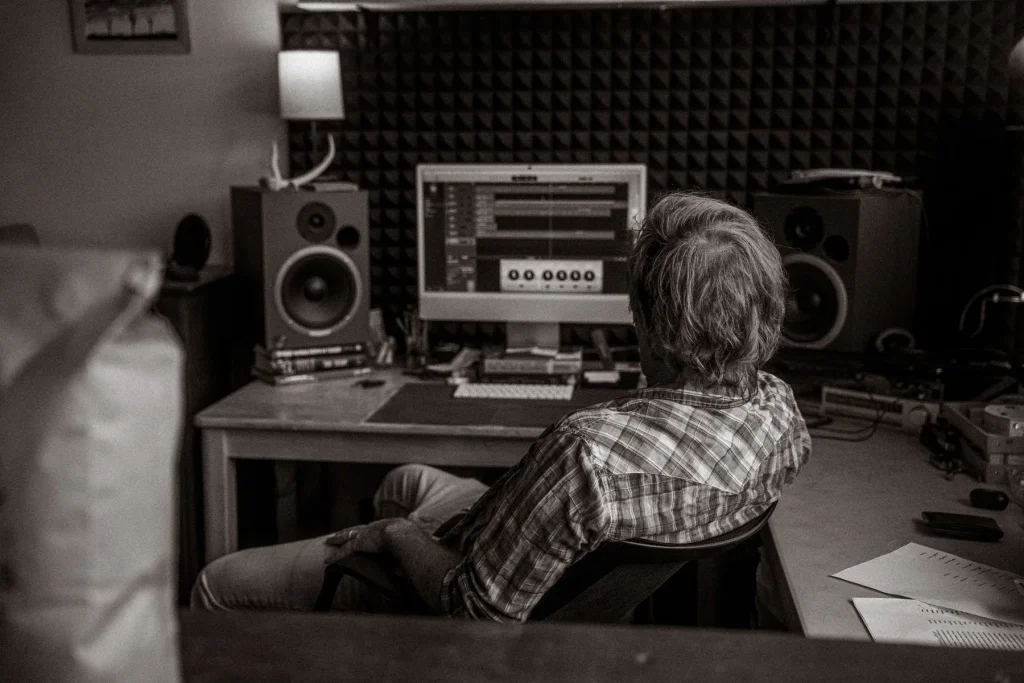
A practical overview for anyone who wants to learn music production with a digital audio workstation (DAW). This guide connects schools, lessons, shops and studios to help you plan your project from start to finish.
Clarify your goals: speed up your training, take personalized lessons or book a studio for professional results. We help you choose a starting point that suits your level and budget.
Local and online options to save time: compare what is available, draw on the local network and use online resources. The site provides verified addresses and links to help you sign up quickly.
Who this is for: curious beginners, musicians changing careers and home studio creators. Follow this simple plan: assess your needs, choose a course, select your equipment, then move into the studio.
Music production in Lyon: schools, shops and studios
Discover the local options for learning music production, getting equipped and booking sessions at a glance.
Overview: you can find diploma courses, tailored lessons at home and shops where you can choose the right equipment with confidence.
In-person training helps you build a local network and access studios. Remote learning offers flexibility and can save money. Hybrid courses combine the two.
Technical foundations: a good computer, an audio interface, monitors and suitable software make learning and everyday work easier.
- Initial contact: request information, arrange a meeting, and estimate the duration and number of sessions.
- Learning priority: build a solid technical foundation, then start projects involving preproduction, recording and finishing.
- Gradual approach: try the tools before investing.
| Option | Benefit | Time/cost | When to get in touch |
|---|---|---|---|
| Diploma course | Comprehensive guidance and a professional network | Long duration, high cost | Before the academic year starts |
| Private lessons | Personalized and flexible | Short sessions, hourly rate | As soon as you have made your decision |
| Online or hybrid courses | Self-paced learning and ongoing access | Variable duration, often lower cost | At any time |
To go further, consult our local music production guide and get in touch promptly to plan the time and number of sessions you need.
Music production schools and courses in Lyon and Villeurbanne
CFPM in Villeurbanne offers a comprehensive course in music production and digital audio workstation skills.

Duration and admission: courses last from 1 to 3 years. Fees range from €6,500 to €8,000. Auditions take place in September, and the academic year begins on October 1.
CFPM Villeurbanne: goals, skills and teaching approach
The main goal is to strengthen musical training and develop practical production skills.
Teaching combines theory classes, small-group workshops and guidance from professionals.
CFPM music production curriculum
The curriculum covers Pro Tools and/or Logic, sound theory, microphone techniques, recording, mixing and producing a track.
Students also work on rhythm, harmony, analysis, musicianship and the professional environment.
Duration, fees and qualifications
| Aspect | Details | Outcome |
|---|---|---|
| Duration | 1 to 3 years | B1/B2 certificates, B3 bachelor’s degree |
| Cost | €6,500–€8,000 | Funding may be available for continuing education and employees |
| Assessment | Quarterly continuous assessment and a final examination | Weighting: 50% continuous assessment, 50% examination |
Admissions and career paths
The courses are aimed at employees, people entering the workforce, students in initial education, self-taught learners, conservatory students and musicians with at least three years of experience.
The main career path is work as a musician specializing in production and mixing. For more information, visit the CFPM Villeurbanne website.
Remote learning options
Complement your studies with remote modules, such as CEFEDEM AURA’s advanced MuseScore module. It is intended for musicians and teachers who want to master advanced notation.
Private music production lessons at home in Lyon’s 9th arrondissement and nearby
Taking tailored lessons at home is a practical way to make music production part of your routine. Allegro Musique, established in 2004, has a nationwide network of more than 15,000 teachers selected for their musical backgrounds and teaching skills.
Lessons cover every level, from discovery and consolidation to advanced study for musicians. Topics include music production, composition, arrangements, samples and tools such as Ableton Live.
Flexibility is central to the service: lessons at home, adaptable time slots and easy rescheduling help you make the best use of your time. The network handles administrative steps, and your first conversation can provide practical advice on buying equipment.
50% tax credit: after taking the lessons, report the expenses on your tax return. You may receive a refund if you do not owe income tax.
- Choose a plan and describe what you want to learn.
- An adviser selects a suitable teacher.
- Take your first lesson at home.
Studying over several months reinforces what you learn. To get started, visit the website and arrange a meeting with an adviser near the 9th arrondissement.
Shops and equipment for music production in Lyon
Choosing the right equipment often determines the quality of your first productions.

Essential equipment checklist
Start with the essentials: a reliable computer, a suitable audio interface, a MIDI controller and nearfield monitors.
Add headphones for monitoring and microphones according to your recording needs.
Software and digital audio workstations
Choose according to your workflow: Ableton Live for creation and performance, or Pro Tools or Logic for advanced editing and multitrack recording.
CFPM uses Pro Tools and/or Logic, which may help you decide which software to use.
Tips for informed purchases
Try equipment in a shop and check that it works with your computer.
Practical tip: ask a teacher for advice; Allegro Musique can advise you on purchases from your first conversation.
| Item | Indicative budget | Suggested use |
|---|---|---|
| Computer | €800–€1,500 | DAW, plugins and medium-sized sessions |
| Audio interface | €100–€500 | 2 to 8 inputs, depending on what you record |
| Monitors and headphones | €100–€600 | Accurate mixing and monitoring |
| Controllers and microphones | €50–€400 | Performance and recording voices and instruments |
Studios and production in Lyon: recording, mixing and workflow
A successful recording day often depends on thorough preparation shared by everyone involved.
Choose according to your project: check the rooms’ acoustics, the available microphones and preamps, and the people who can help with production and mixing.
Set your budget and book suitable time slots. This helps avoid extra costs and makes recording more efficient.

Preparing your sessions
Organize tracks with clear names. Consolidated exports, separate tracks and a click track make the engineer’s work easier.
Plan for mixing: audio references, a list of goals and structured discussions reduce the need for revisions.
- Coordinate everyone involved and agree on review points.
- Plan the deliverables: instrumental versions, a cappella versions and masters.
- Use your home studio skills to save time in the recording booth.
Clear communication, regular backups and a final review are essential for the next stage of the project.
To develop your home studio mixing skills, consider a dedicated course such as the one described in our home studio mixing course.
How to choose between a school, private lessons and online self-study
Your choice of learning method affects how quickly you progress in music production.
Goals, duration and budget: tailor your studies to your project
Define your goal: earning a qualification for a professional career calls for a longer course. To gain skills quickly, choose focused lessons or online self-study.
Assess your budget and available time: a complete course requires a substantial commitment, while private lessons cost less in the short term. Remote courses often reduce expenses and offer more flexibility.
In person, remote or hybrid: use online and local resources
Compare the formats: in-person study for guidance, lessons at home for personalized teaching and online modules for independent learning.
Combine resources: alternate guided sessions, remote modules and regular practice. Make Ableton Live or another common DAW part of your routine so that you can exchange project files easily.
- Realistic plan: technical fundamentals, guided exercises and creative projects.
- Career prospects: a portfolio, demos and an online presence improve your chances.
- Regular reviews: adjust your course of study and strengthen your skills.

| Format | Main benefit | Who it suits |
|---|---|---|
| Long course | Qualification and professional network | Aspiring professionals |
| Private lessons | Focused, flexible progress | Musicians who want to improve efficiently |
| Online course | Lower cost and self-paced learning | Motivated self-taught learners |
Conclusion
A structured learning path speeds up your progress: define a clear project, choose a suitable course or lessons, then get a reliable computer and the basic tools.
Consider Ableton Live for composition, build a solid technical foundation for mixing and keep up a regular practice routine. Remote modules effectively complement in-person teaching when you need to focus on particular skills.
Take action: book your first lessons, schedule work sessions, compose your first track and prepare the files for a smoother mixing process. To find out how to begin, read our guide to learning music production.
Benefits as you progress: stronger skills, better sound, time saved and a smoother experience throughout the project.