
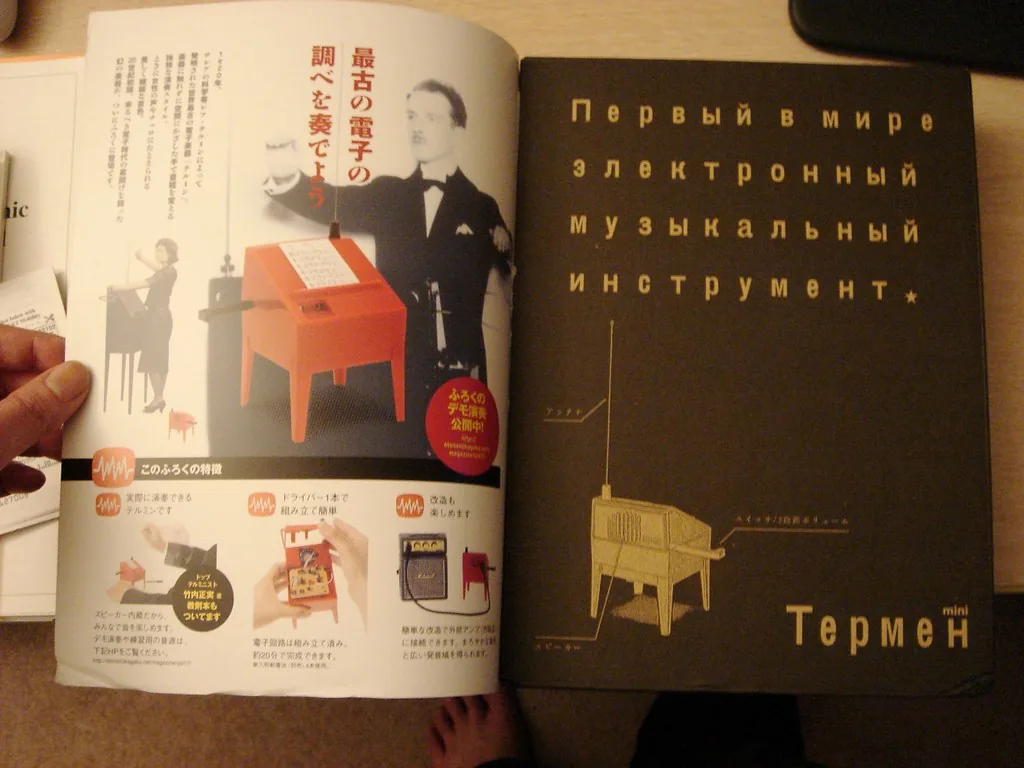
The theremin is a unique electronic instrument, known for its unforgettable sound and its ability to create captivating atmospheres in film music. Since its invention, it has fascinated many musicians and composers. This article explores its history, its distinctive features and its influence on cinema.
Despite its rarity, the theremin still attracts artists around the world. Nearly 400 bands and musicians use it today.
To learn more about this fascinating instrument, read this article: the theremin’s magnetic song.
Introduction to the theremin
The theremin is an electronic instrument created in 1919 by Leon Theremin. Equipped with two antennas, it produces sounds without being touched. It therefore offers a unique musical experience.
The theremin transformed film music by making it possible to create ethereal melodies that enrich the soundscape of films.
Danny Elfman and other composers have used the theremin to create distinctive atmospheres. Horror and science fiction films use it to add a sense of mystery.
This invention marked a milestone in musical innovation. Collaboration between filmmakers and musicians makes it possible to create soundtracks that move audiences of all ages.
To learn more about sound in cinema, see this introduction. The history of the theremin shows how thoughtful sound design shapes the cinematic experience.
Origins and history of the theremin
The theremin is a musical instrument created by Leon Theremin, a Russian engineer, in the 1920s. He wanted to produce sound without touching the instrument, an idea that transformed electronic music.
From its first demonstration, the theremin captivated audiences with its distinctive, ethereal sound.
The history of the theremin attracted considerable interest, but its commercial success remained limited. In the 1930s, it appeared in many films, especially science fiction and horror films.
Composers chose it to create mysterious atmospheres. It became a valued instrument for exploring new sounds.
Despite its modest beginnings, the theremin continues to influence electronic music. Artists still use it today, showing that its legacy lives on.
The theremin in film music: an unforgettable sound
With its captivating tones, the theremin has left its mark on film soundtracks. It creates distinctive atmospheres and adds emotional nuance that makes certain scenes unforgettable.
The instrument’s impact on soundtracks
Created in 1919, the theremin became an important instrument in film music. It was used in classics such as “King Kong” (1933) and “Forbidden Planet” (1956), where it contributes to suspense and mystery.
The theremin has enriched soundtracks by making it possible to create immersive settings and new sonic textures.
Composers who use the theremin
Composers such as Ennio Morricone recognized the theremin’s potential. The instrument enriched his compositions. In “Once Upon a Time in the West” (1969), it brought moving musical motifs to life.
Morricone was nominated for five Oscars. He worked with directors such as Quentin Tarantino on “The Hateful Eight” (2015). His work continues to inspire composers.
The theremin has left a lasting mark on cinema. Its sounds have stayed with audiences and continue to encourage composers to explore new sonic possibilities.
The theremin’s unique characteristics
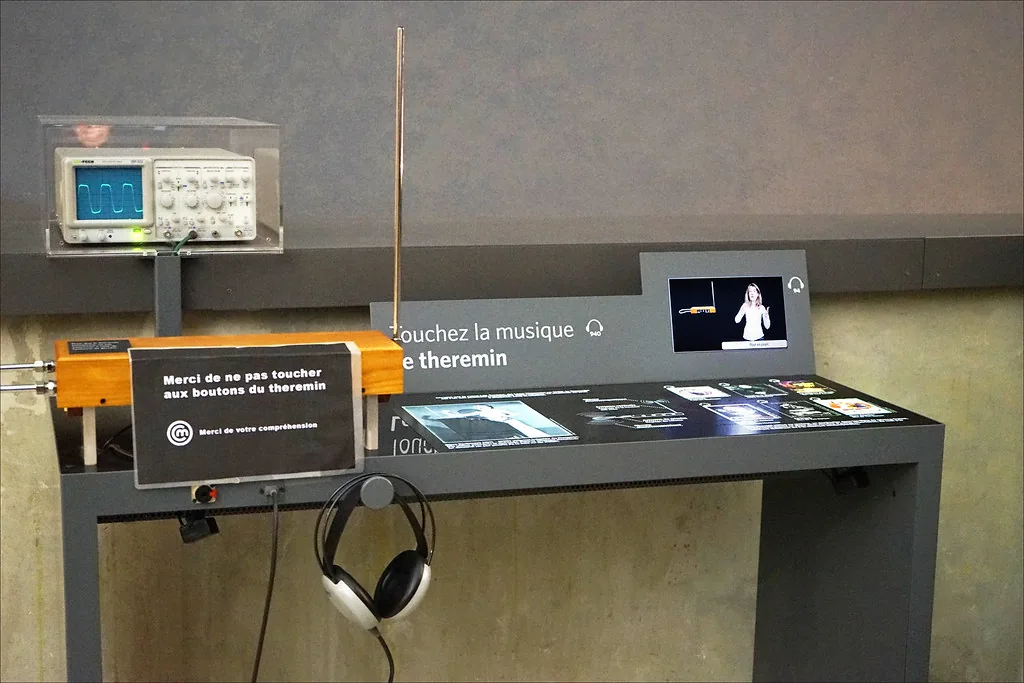
The theremin is a unique electronic instrument capable of creating distinctive musical atmospheres. Its operation relies on electromagnetic interaction with two antennas.
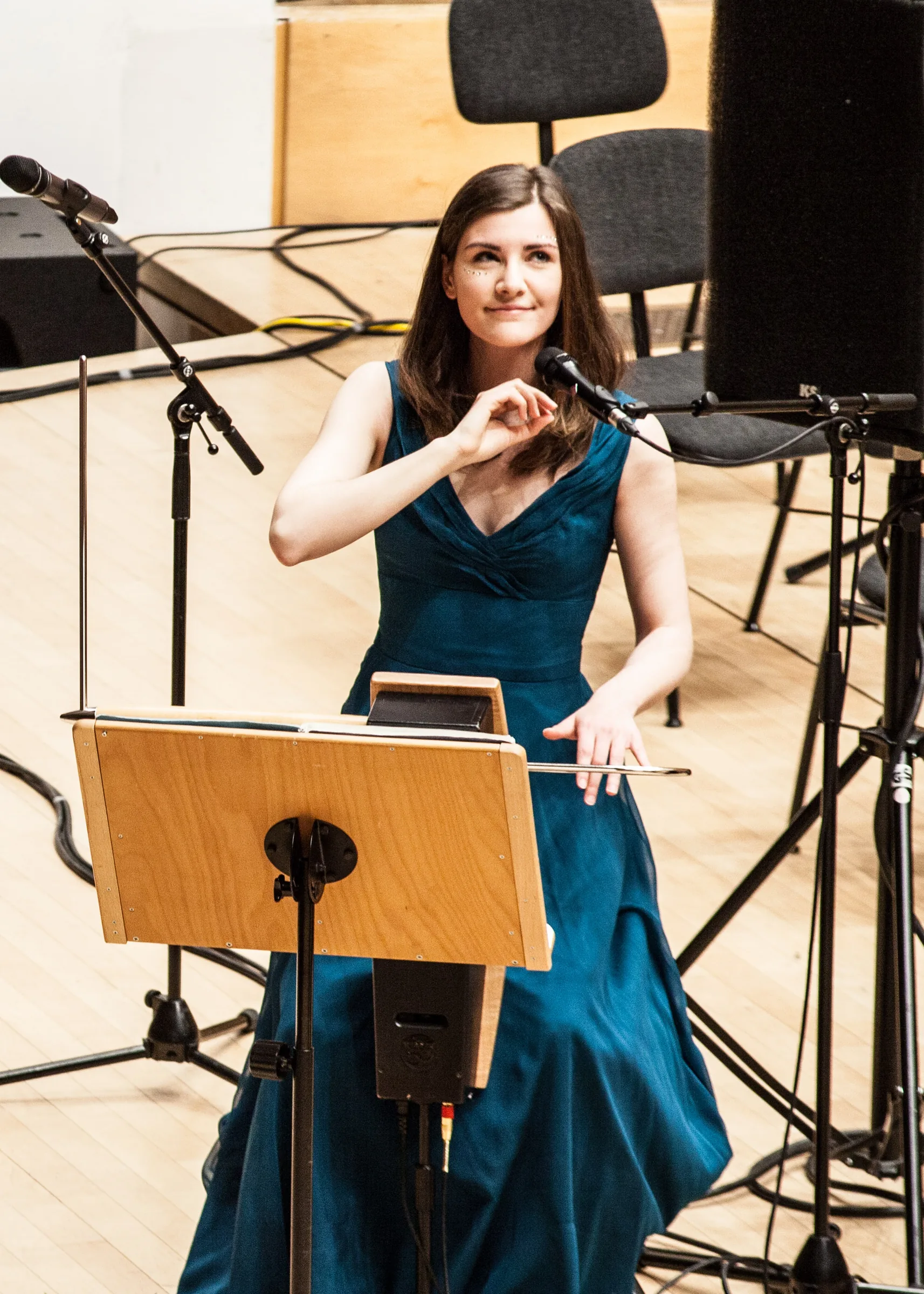
One antenna controls pitch and the other controls volume. By moving their hands near the antennas, musicians affect the electromagnetic field. They can produce a range of sounds that may resemble a human voice or strange tones.
How the instrument works
The theremin is played without physical contact. Musicians change the sound by moving their hands. This lets them produce a wide variety of sounds, from gentle to unsettling.
This ability to shape sound is essential to creating musical atmospheres in cinema, where feeling and emotion are central to film music.
Sensitivity and tone
The theremin’s sensitivity contributes to its captivating sound. Every hand movement changes the sound’s intensity and tone, giving the instrument its distinctive expressiveness.
This range allows film composers to convey emotions from anxiety to melancholy. To learn more about the theremin’s influence on film music, follow this link.

Different uses in films
With its distinctive sound, the theremin has left its mark on many films. It played a key role in classics such as “Spellbound” and “The Hateful Eight”. These films show how it can create an unforgettable soundscape.
Its fascinating sound adds tension and mystery. It draws viewers into memorable worlds.
Iconic film examples
Many directors have used the theremin to enrich their films and evoke strong emotions. Here are a few examples:
- “Spellbound”: an example of how the theremin heightens suspense.
- “The Hateful Eight”: the theremin is used to intensify the intrigue and tension throughout the film.
- “The Day the Earth Stood Still”: its music combines science fiction and emotion through the theremin.
Emotion and soundscape
The theremin creates an immersive soundscape. It evokes feelings such as melancholy and fear. Composers use it to make certain scenes unforgettable.
Paired with images, the theremin’s sound heightens a film’s emotional impact. To learn more about music and art, read this reference article.
The theremin’s role in contemporary cinema
The theremin holds an important place in modern cinema. It adds emotional depth to films. Composers such as Jonny Greenwood use it to combine electronic music with a range of styles.
Collaboration with modern composers
The theremin evokes strong emotions, making it a popular choice for composers seeking distinctive sounds for their films. Their collaborations with instrumentalists open up new sonic possibilities and show the theremin’s importance in modern cinema. To learn more, follow this link.
Audience and critical response
The theremin has a powerful effect on audiences and critics. Viewers often describe the emotions its sounds evoke. Critics highlight its role in creating soundscapes and its importance in modern cinema.
Conclusion
The theremin is a unique instrument with a fascinating history. It plays a key role in the evolution of film music. Its presence in classic and modern compositions demonstrates its musical impact.
It evokes deep emotions in viewers and transports them into captivating soundscapes.
Composers such as Miklós Rózsa have used the theremin in their soundtracks. The instrument has endured through the decades and remains part of film music today.
Artists use recent technologies to explore new sonic possibilities. The theremin thus remains an iconic instrument of cinema.
Despite its age, the theremin continues to fascinate. Composers and audiences alike appreciate it. To learn more about technology and music, visit this site.
In conclusion, the theremin is more than an instrument: it is a vehicle for emotion and creativity.
FAQ
What is the theremin, and how does it work?
What impact has the theremin had on film music?
Which famous composers have used the theremin?
Which iconic films feature the theremin?
How does the theremin evoke emotion in films?
Why is the theremin still used in contemporary cinema?
How do audiences respond to the use of the theremin?
Source links
- https://www.bfi.org.uk/film/02abc7f1-0881-5b8a-8cad-1ec7c03b2cb8/k-sh-e
- https://www.dannyelfman.com/photos-pages/burton
- https://www.acmi.net.au/stories-and-ideas/electric-sound-sci-fi/
- https://www.space.com/entertainment/space-movies-shows/50-percent-superhero-and-50-percent-noir-but-100-percent-totally-new-spider-noir-composers-on-injecting-retro-style-into-the-superhero-multiverse-interview