
The DJ scene and technological advances have revolutionized the world of DJing, transforming how music is produced and performed. Over the years, technology has brought DJs new opportunities and challenges, pushing the boundaries of creativity and artistic expression.
Technological advances have allowed DJs to explore new techniques and create unique performances. The arrival of the internet revolutionized the music industry, offering access to a multitude of musical genres and styles. Record labels have also benefited from this shift by adopting new business models based on digital distribution.
DJ equipment has also undergone a major transformation. From vinyl records to music software, DJs now have a range of powerful tools for mixing and producing music. DJ controllers and digital mixing have opened up new creative possibilities, allowing DJs to manipulate tracks in innovative ways and experiment with new sounds.
However, these technological advances bring challenges. Some purists believe they have weakened the authenticity of the art of DJing, while others argue that they offer new opportunities for creativity and artistic expression. Whatever one’s opinion, the DJ scene and technological advances continue to shape the electronic music industry, offering talented DJs new perspectives and possibilities.
The evolution of DJing: from vinyl to music software
Over the years, DJ equipment has evolved considerably, moving from vinyl records to sophisticated music software. These technological advances have revolutionized the art of DJing, giving artists new creative possibilities.
In the past, DJs mainly used vinyl turntables to manipulate and mix music. This manual process required considerable skill and a keen ear to create a smooth mix. With the advent of music software, DJs gained new ways to express their creativity.
Music software offers a wide range of features, such as automatic tempo synchronization, loop and sound-effect manipulation, and the ability to prepare sets in advance. These tools allow DJs to experiment with new techniques and create unique performances.
Music software has also made it easier to access vast online music libraries. DJs can now find and download tracks easily, expanding their repertoires and creative possibilities. This has also paved the way for collaboration and exchange among DJs around the world.
In short, the shift from vinyl to music software has revolutionized DJing. DJs now have sophisticated tools and extensive access to music online, allowing them to explore new creative possibilities and deliver unique, compelling performances.
Summary of the evolution of DJ equipment
| Period | DJ equipment |
|---|---|
| 1970s–1980s | Vinyl turntables, analog mixers |
| 1990s | CDJs, digital mixers |
| Today | Music software, DJ controllers |

Opportunities created by technological advances
Technological advances have created new opportunities for DJs by giving them access to tools such as digital mixing and DJ controllers. These modern tools have radically transformed the art of DJing, offering artists a broad range of creative possibilities.
With digital mixing, DJs can now manipulate and mix tracks with remarkable precision and flexibility. Mixing software lets them synchronize beats, create smooth transitions between tracks, and add special effects that give their performances another dimension. These tools allow DJs to explore new composition techniques and create distinctive mixes.
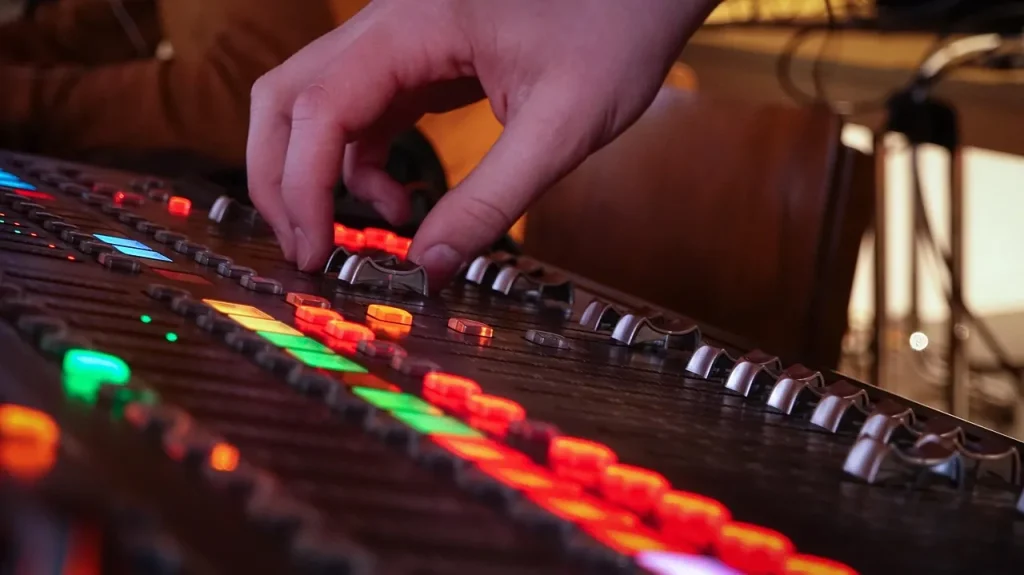
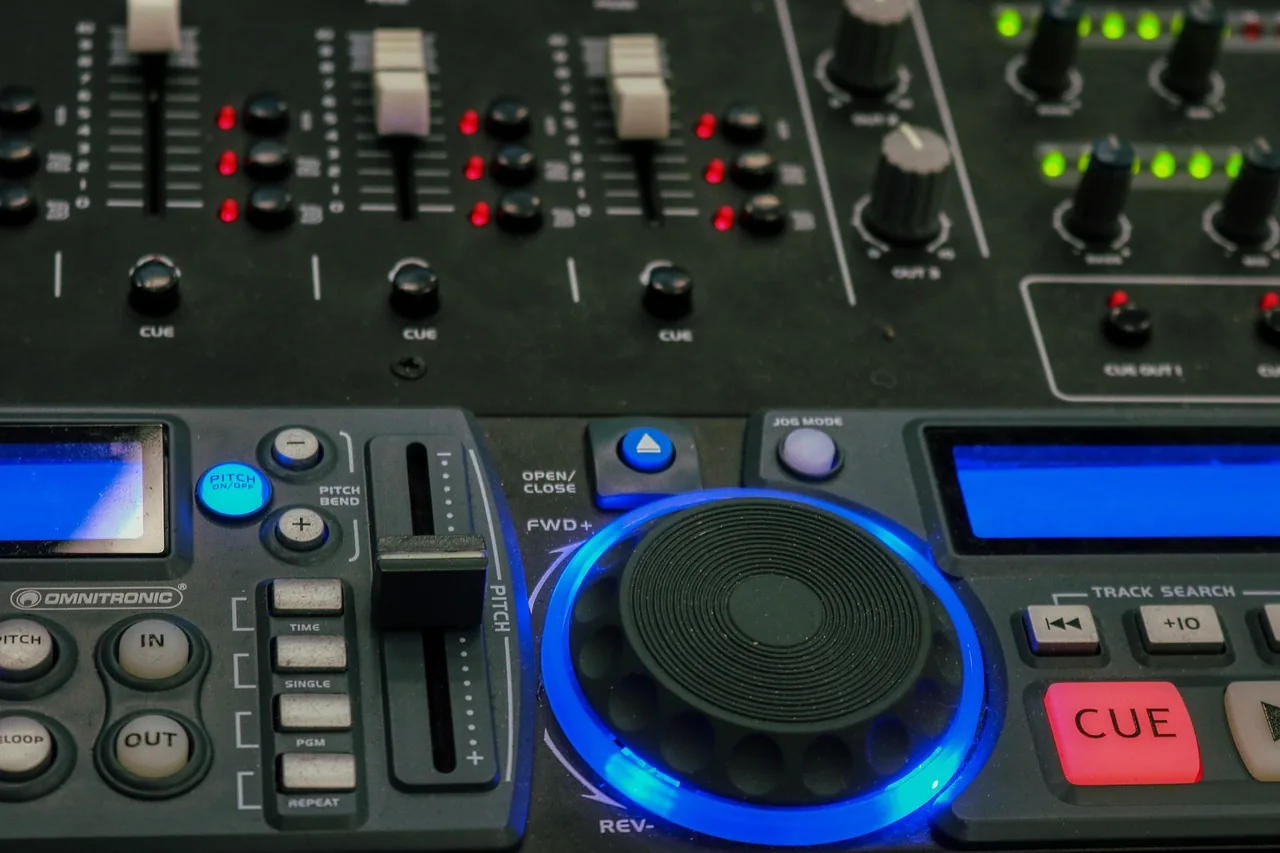
Alongside digital mixing, DJ controllers have become essential tools for artists. Using buttons, sliders, and touch-sensitive pads, DJs can adjust musical parameters such as sound effects, loops, and samples. DJ controllers provide a tactile, intuitive experience, allowing DJs to work with their music creatively and dynamically.
| Benefits of technological advances for DJs |
|---|
| Greater flexibility and precision when mixing music. |
| The ability to add special effects and create smooth transitions between tracks. |
| Opportunities to explore new composition and mixing techniques. |
| Intuitive control of musical parameters with DJ controllers. |
“Technological advances have given DJs powerful tools that stimulate their creativity and allow them to push the boundaries of the art of DJing.” — Renowned DJ
DJs in the technological age
Today’s DJs are versatile artists who know how to use technological advances to create unique, compelling performances. With DJ technology, digital mixing, and DJ controllers, they can explore new forms of artistic expression and push the boundaries of electronic music.
Technological advances also give DJs access to an enormous online music library, allowing them to discover new tracks and share them easily with their audiences. Technology has made collaboration between DJs and producers easier, paving the way for creative and innovative projects.
In conclusion, technological advances have revolutionized the DJ scene by creating new opportunities for artists. Digital mixing and DJ controllers allow DJs to express their creativity in new ways and deliver distinctive performances. DJ technology continues to evolve and push the boundaries of the art of DJing, opening the door to an exciting future for this form of artistic expression.
The impact of the internet on the DJ scene
The arrival of the internet revolutionized the DJ scene by giving DJs broad access to a vast library of electronic music and transforming how they work and produce music. With the growth of streaming and download platforms, DJs can now discover and play a multitude of tracks from around the world without being limited to their personal collections of vinyl records or CDs.
Access to a wide variety of musical genres has allowed DJs to explore new sonic territory and create unique, innovative mixes. They can now draw from extensive electronic music catalogs, from timeless classics to the latest popular tracks. This musical diversity has enriched DJ performances and contributed to the emergence of new musical movements.
| Benefits of the internet for the DJ scene | Drawbacks of the internet for the DJ scene |
|---|---|
|
|
“The internet has allowed DJs to connect with artists and fans around the world, creating a global community where electronic music is shared and celebrated. It has also made collaboration between DJs and producers easier, enabling the creation of original tracks and unique remixes.”
Image:
Despite these benefits, some purists believe that the rise of the internet has diluted the essence of DJing. They point to the loss of the physical experience of records and the technology-driven abundance of music. Nevertheless, by using these resources thoughtfully, DJs can still create engaging, compelling performances while pushing the boundaries of creativity.
In the next section, we will look more closely at the debates surrounding technological advances in DJing, exploring different perspectives on their impact on the art and on opportunities for artistic expression.
| Benefits of the internet for the DJ scene | Drawbacks of the internet for the DJ scene |
|---|---|
|
|
Debates about technological advances in DJing
Technological advances in DJing have sparked lively debates: some argue that they have weakened the art of DJing, while others believe that they create new opportunities for artistic expression. These debates stem from the sweeping changes technology has brought to DJing.
Criticism of technology’s impact
“Technology has made DJing too accessible, saturating the market and lowering musical quality.”
Critics argue that greater access to music online and simplified DJ software have made the art of DJing seem commonplace. Some claim that technology allows anyone to become a DJ, saturating the market and reducing musical quality. These critics also believe that dependence on technology has overshadowed traditional DJ skills, such as manual mixing and vinyl selection.
Creative opportunities offered by technology
“Technology has opened new doors for musical experimentation and the creation of a unique experience for audiences.”
Supporters of technological advances in DJing, on the other hand, emphasize the creative opportunities they have created. Advanced music software and DJ controllers allow artists to push the boundaries of their craft and create unique, compelling performances. Technology also makes it possible to explore sounds and blend musical genres in ways that technical constraints previously limited.
Ultimately, the debate about technological advances in DJing highlights the tension between tradition and innovation. Some DJs prefer to stay with traditional techniques and equipment, while others fully embrace new technologies to create bolder, more experimental performances. The key is to strike a balance, taking advantage of what technology offers while preserving the essence of the art of DJing.
| Benefits | Drawbacks |
|---|---|
| – Wide-ranging sonic exploration | – The art of DJing becoming commonplace |
| – Creation of unique, compelling performances | – Market saturation |
| – Blending musical genres | – Reduced musical quality |
Challenges posed by technological advances
Despite the benefits of technological advances, DJs also face challenges, such as excessive dependence on technology and technical problems with modern DJ equipment. With the emergence of new software and controllers, mastering the technical skills needed to use them has become essential for DJs. The sheer number of options and features can sometimes be overwhelming and lead to a loss of creativity and spontaneity in performances.
Using software and computer hardware can also cause unexpected technical problems. Configuration errors, software crashes, and conflicts between devices can disrupt a live performance. DJs must be ready to resolve these problems quickly to maintain the atmosphere and energy on the dance floor.
“Technology is a double-edged sword. On one hand, it offers countless possibilities for creation and performance; on the other, it can make us dependent and cause technical problems that undermine our art.” — Anonymous DJ
Excessive dependence on technology can also undermine spontaneity and interaction with the audience. When DJs focus too much on their equipment and software, they risk losing eye contact with the crowd and failing to respond to its reactions in real time. It is important to balance the use of technology as a creative tool with the essence of DJing: entertaining audiences and connecting with them.
Another challenge for DJs is remaining authentic in a technology-dominated world. While new technological advances offer many opportunities, they can also create the impression that anyone can become a DJ with just a laptop and mixing software. This can saturate the market and make it harder for talented, authentic DJs to gain recognition. DJs must find ways to stand out and preserve their artistic integrity in a constantly changing environment.
Ultimately, despite the challenges DJs face, technological advances also offer many opportunities for artistic expression. DJs need to master the necessary technical skills while remaining true to their style and artistic vision. By balancing technology and authenticity, DJs can continue to push the boundaries of the art of DJing and deliver exceptional performances.
| Benefits of technological advances | Challenges posed by technological advances |
|---|---|
| Exploration of new creative possibilities | Excessive dependence on technology |
| Extensive access to music online | Technical problems with modern DJ equipment |
| Opportunities for artistic expression | Market saturation |
Creativity in DJing in the technological age
Thanks to technological advances, DJs can give free rein to their creativity, using innovative tools to create unique, compelling performances. Music software, DJ controllers, and digital mixing have revolutionized the art of DJing, offering artists many ways to express themselves.
One of the most exciting aspects of DJ technology is the ability to manipulate and modify tracks in real time. DJs can now put their personal stamp on a song with special effects and loops, creating an entirely new musical experience. This creative freedom allows DJs to stand out and create distinctive performances that captivate their audiences.
Beyond manipulating tracks, technological advances also offer new ways to control DJ equipment. Modern DJ controllers have touch-sensitive pads and programmable buttons, allowing DJs to adjust effects, loops, and samples with greater ease and precision. These advanced features allow DJs to explore new techniques and push the limits of their creativity.
| Benefits of technological advances for DJ creativity | Drawbacks of technological advances for DJ creativity |
|---|---|
|
|
In conclusion, technological advances have opened up new possibilities for creativity in DJing. DJs now have powerful tools for exploring new musical possibilities and pushing the boundaries of their artistic expression. Yet creativity depends on more than technology: it also depends on a DJ’s talent, passion, and sensitivity. Technology can be a valuable tool, but the artist creates the unique, compelling performance.
Technological advances have radically transformed the DJ scene and the way music is produced and performed, but DJing remains a vital, living art in our constantly evolving technological world.
With the arrival of the internet, DJs have access to a vast range of tracks online, allowing them to explore new genres and discover emerging artists. Record labels have also benefited from this technology by finding new business models for promoting and distributing electronic music.
The evolution of DJ equipment, from vinyl records to music software, has opened up new creative possibilities. Digital mixing software and DJ controllers allow DJs to explore advanced techniques and create unique, compelling performances.
Technological advances in DJing have sparked debates within the community. Some argue that they have weakened the art of DJing by making it more accessible and removing certain aspects of the traditional craft. Others believe that they offer new opportunities for artistic expression, allowing DJs to push the boundaries of DJing.