
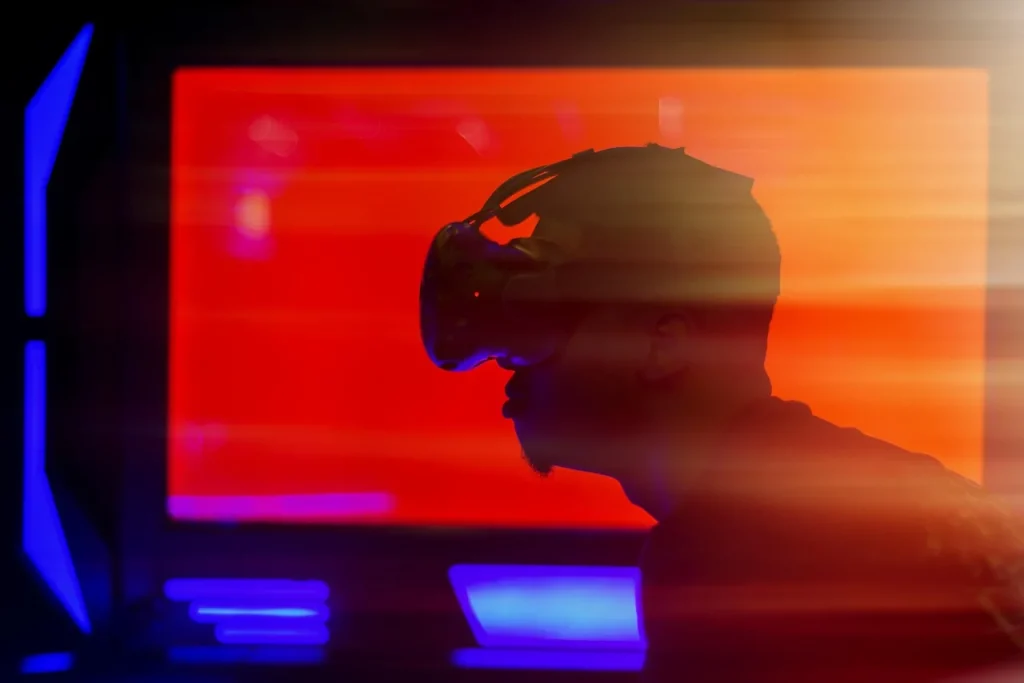
Virtual reality headsets are transforming the music industry by offering listeners immersive and interactive music experiences. This technology allows artists to create virtual environments where music comes to life and transports listeners into distinctive sensory worlds.
Virtual reality gives musicians and bands new ways to rethink how they connect with their audiences. With VR headsets, viewers enter captivating visual and sound worlds that let them experience music in an entirely new way.
These immersive music experiences give listeners a strong sense of presence as they listen. They can explore interactive virtual environments, travel through striking visual landscapes, and interact with elements of the music itself.
Using virtual reality in music also gives artists the opportunity to tailor the listening experience to each person. With virtual reality, viewers can set their own listening preferences, adjust the level of spatial audio, and even choose the visuals that accompany the music.
Virtual reality also lets musicians rethink traditional music videos by creating interactive, immersive works. Listeners can enter the stories told by songs, building a stronger connection between audiences and artists.
Virtual reality in music extends beyond music videos. Bands and artists also use it to hold virtual concerts, allowing fans around the world to experience live performances from home.
Music games in virtual reality are also becoming increasingly popular. They offer players an interactive experience with music at its center. These games let users play and interact with music in an immersive way, adding another dimension to gaming.
Virtual reality and VR headsets have opened up new possibilities in the music industry. This technology offers countless opportunities for interaction and immersion, along with unique experiences that listeners will remember.
In conclusion, virtual reality is changing how we listen to and interact with music. VR headsets immerse us in captivating musical worlds, let us tailor our listening experience, and strengthen the connection between listeners and artists. With the rise of virtual reality headsets, the future of music promises to be even more immersive and inventive.
The benefits of virtual reality in music
Virtual reality offers many benefits in the music industry. It gives people new ways to interact with music and enjoy unique experiences. This technology has changed how artists can engage their audiences and create immersive, interactive experiences.
One of the main benefits of virtual reality in music is its ability to create a sense of presence and a connection between the listener and the music. With advanced VR headsets, listeners can enter a virtual world where they feel present as they listen. This immersion creates a deeper, more personal listening experience, letting people feel the music in a new way.
“Virtual reality offers a new way to experience music. It creates an immersive experience in which you can feel truly present and connected to the music.”
Virtual reality also lets artists rethink traditional music videos and tell deeper stories through their songs. Interactive music videos in virtual reality add another dimension to music by allowing listeners to take an active part in the visual experience. This combination of music and virtual reality strengthens the connection between audiences and artists and lets fans discover music in a more engaging, interactive way.
Looking ahead, virtual reality promises to bring further changes to the music industry. Emerging technologies will let listeners enjoy even more distinctive music experiences, pushing the boundaries of immersion and interaction. Whether through virtual concerts, innovative music games, or virtual reality experiences we cannot yet imagine, this technology will continue to create new possibilities for artists and music lovers.
Summary of the benefits of virtual reality in music:
| Benefits | Description |
|---|---|
| Presence and connection | Virtual reality creates deep immersion and offers a more profound, personal listening experience. |
| A personalized listening experience | Listeners can tailor their music experience by choosing a virtual environment and interacting with the music in their own way. |
| Interactive music videos | Virtual reality lets artists create interactive music videos that engage viewers and invite active participation. |
| Deeper stories | Artists can tell deeper stories through their songs by using virtual reality to add a captivating visual dimension. |
| A connection between audiences and artists | Virtual reality strengthens the emotional connection between audiences and artists, creating a more engaging, interactive music experience. |
Virtual reality in music: a new way to interact with music
In conclusion, virtual reality offers many benefits in the music industry, allowing artists and listeners to enjoy unique, immersive music experiences. By creating a sense of presence and connection, it changes how we listen to music and lets us feel it more deeply and personally. Interactive music videos, engaging stories, and stronger ties between audiences and artists are all examples of its positive influence on music. As technology advances and innovation continues, we can expect virtual reality to shape the future of the music industry by offering music lovers around the world new ways to interact and immerse themselves.
Examples of virtual reality in music
Many artists and bands now use virtual reality to offer distinctive music experiences, ranging from interactive music videos to virtual concerts and music games. This technology lets listeners step inside the music and enjoy immersive experiences.
One notable example is the legendary rock band U2, which used virtual reality during its “Vertigo” tour in 2006. With special VR headsets, fans could attend live concerts virtually at venues such as the Stade de France. They could feel the energy and excitement of the show even when they were physically far away.
Another example is world-renowned musician Pharrell Williams, who used virtual reality to create an immersive music video for his song “Happy.” Viewers can watch the video and interact with its virtual environment using motion controllers. This interactive experience lets fans enjoy the music in an entirely new, personalized way.
Finally, virtual reality music games such as “Beat Saber” and “Rock Band VR” give players a distinctive experience by letting them play music with VR headsets and special controllers. These games combine music with stimulating visuals to create immersive and exciting gameplay.
Table: artists and bands using virtual reality
| Artist or band | Type of use |
|---|---|
| U2 | Virtual concerts |
| Pharrell Williams | Interactive music videos |
| Beat Saber | Music games |
| Rock Band VR | Music games |
These are just a few examples of virtual reality being used in music. They show how this technology is changing the music industry by creating distinctive immersive experiences for listeners while giving artists new creative possibilities.
Virtual reality in music opens up new possibilities for artists and listeners. It offers unique experiences that combine music and technology to create deep immersion. Whether through interactive music videos, virtual concerts, or music games, virtual reality lets everyone experience music in an entirely new and exciting way.
Virtual reality and the future of music
Virtual reality is changing the music industry by offering exciting new ways to interact with music, and this is only the beginning. Artists are using the possibilities of this technology to create truly immersive and interactive experiences for their fans. Through interactive music videos, virtual concerts, and music games, virtual reality has opened new horizons for the music industry.
One of virtual reality’s main strengths in music is its ability to create a sense of presence and a connection between the listener and the music. This technology can transport listeners into virtual worlds where music surrounds and envelops them. The result is a distinctive, immersive listening experience that helps them feel connected to the music they love.
Virtual reality also lets artists rethink traditional music videos and tell deeper stories through their songs. Virtual reality music videos offer an interactive experience in which viewers can explore and engage with a song’s visual environment. This adds another dimension to listening and builds a stronger connection between audiences and artists.
Virtual concerts are another area where virtual reality is being used in inventive ways. Artists can hold immersive virtual concerts that fans attend live in a realistic virtual environment. Fans around the world can thus enjoy distinctive concert experiences without traveling. Virtual reality music games also add a playful dimension to music by letting players interact with it in an enjoyable way.
Examples of virtual reality in music
| Interactive music videos | Virtual concerts | Music games |
|---|---|---|
| Artist 1 | Artist 1 | Artist 1 |
| Artist 2 | Artist 2 | Artist 2 |
| Artist 3 | Artist 3 | Artist 3 |
Virtual reality has opened new possibilities for the music industry and allowed artists to explore new ways to interact with music. This technology continues to evolve and offer music lovers more distinctive experiences. Virtual reality will clearly continue to shape the future of music.
Conclusion
In conclusion, virtual reality offers exciting new possibilities for music experiences and is changing how we enjoy and interact with music. This technology is transforming the music industry by allowing artists to create immersive, interactive experiences that push creative boundaries.
The benefits of virtual reality in music are numerous. It creates a sense of presence and a connection between the listener and the music, allowing for a more personalized listening experience. It also opens new possibilities for interactive music videos and lets artists tell deeper stories through their songs.
Concrete examples of virtual reality in the music industry, such as virtual concerts and music games, show how this technology can transform music experiences by offering new forms of interaction and immersion.
Virtual reality has the potential to transform the music industry by offering new ways to interact with music and enjoy distinctive experiences. It builds a stronger connection between audiences and artists and lets music lovers explore their favorite art form in an entirely new way.