
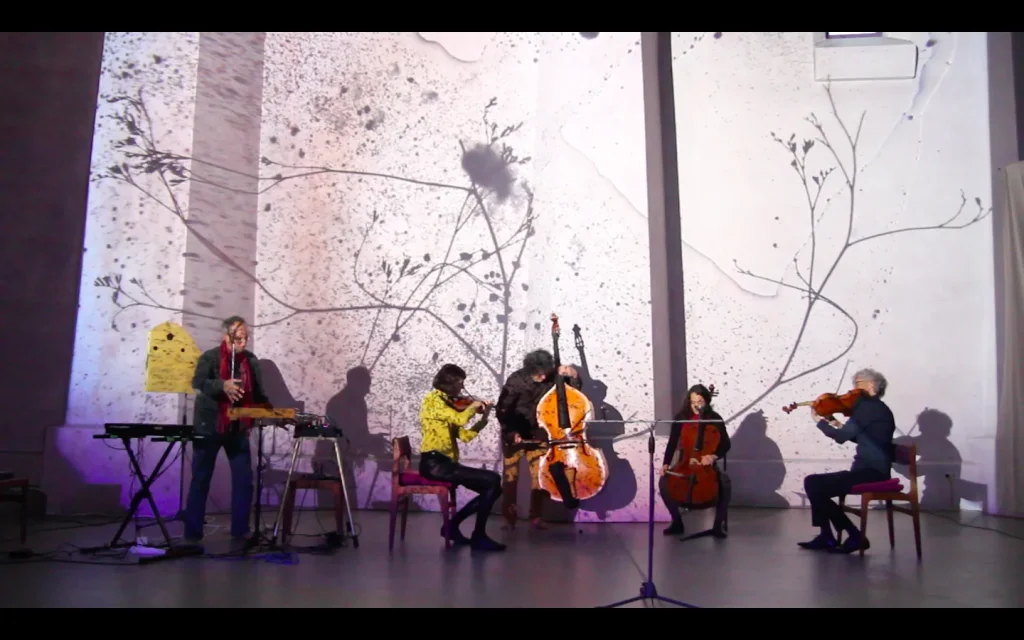
The theremin is an electronic instrument played without touching it. It creates unique sounds using electromagnetic technology. This guide explains how it works, what makes its sound distinctive, and how it is used in music.
We will also explore the history of the theremin. Leon Theremin changed music with this instrument, which paved the way for modern synthesizers and continues to inspire new compositions. For more details about the theremin, read these explanations of the theremin.
What is a theremin?
The theremin is the first electronic instrument in history. It was invented in 1920 by Leon Theremin. It uses two antennas to control sound without touching the instrument.
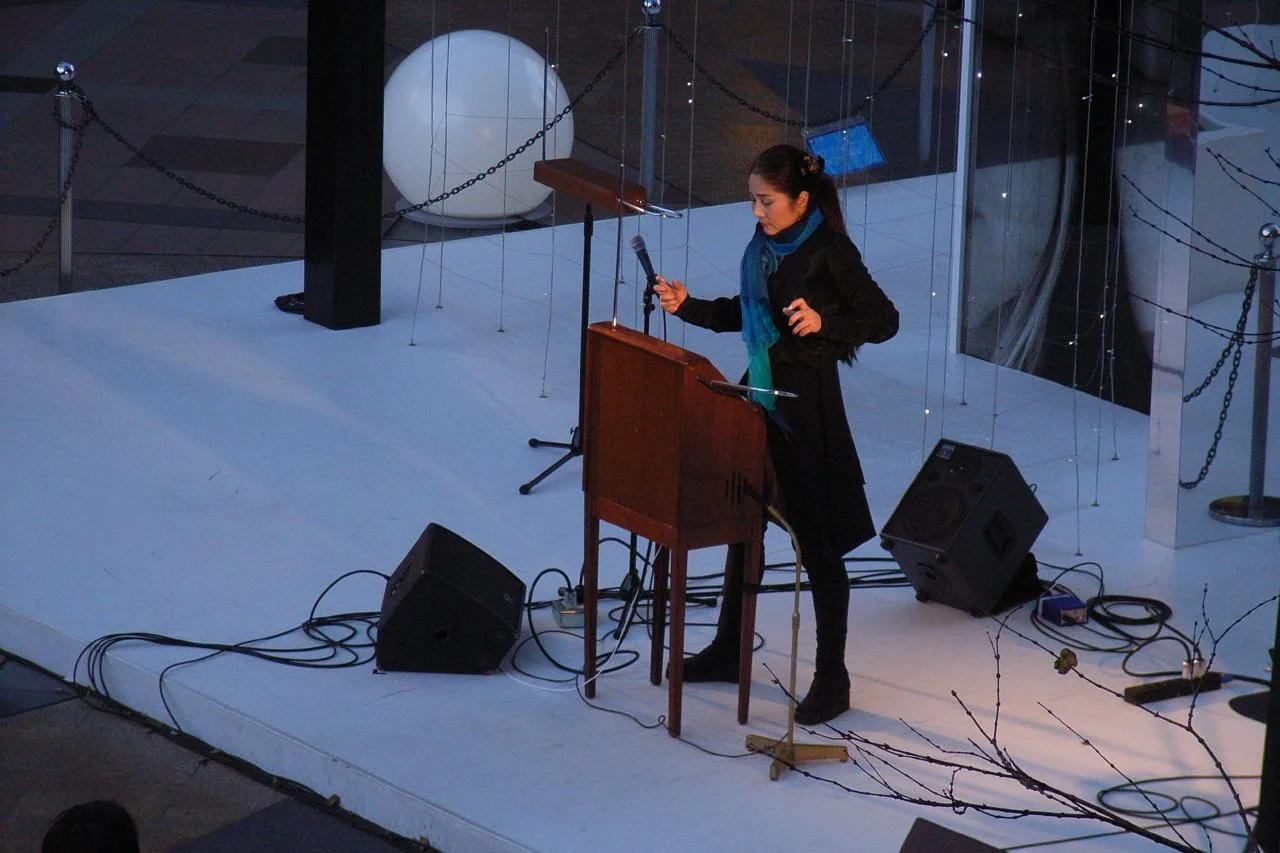
The musician changes the sound by moving their hands around the antennas. The resulting sounds are often compared to human voices.
The theremin captivated musicians and composers. It became a staple of horror and science fiction film scores, as well as a symbol of those genres.
It is also used in many musical works. Its place in contemporary music is fascinating for anyone seeking further explanations of the theremin.
Improved versions have been created, such as Moog’s Etherwave Plus. These developments show how this electronic instrument continues to evolve and encourage the creativity of today’s musicians.
For more information, read these explanations of the theremin.
| Year | Event |
|---|---|
| 1920 | Invention of the theremin by Leon Theremin |
| 1930 | Creation of the Rhythmicon, the first drum machine |
| 1961 | Robert Moog markets a transistorized version of the theremin |
How the theremin works
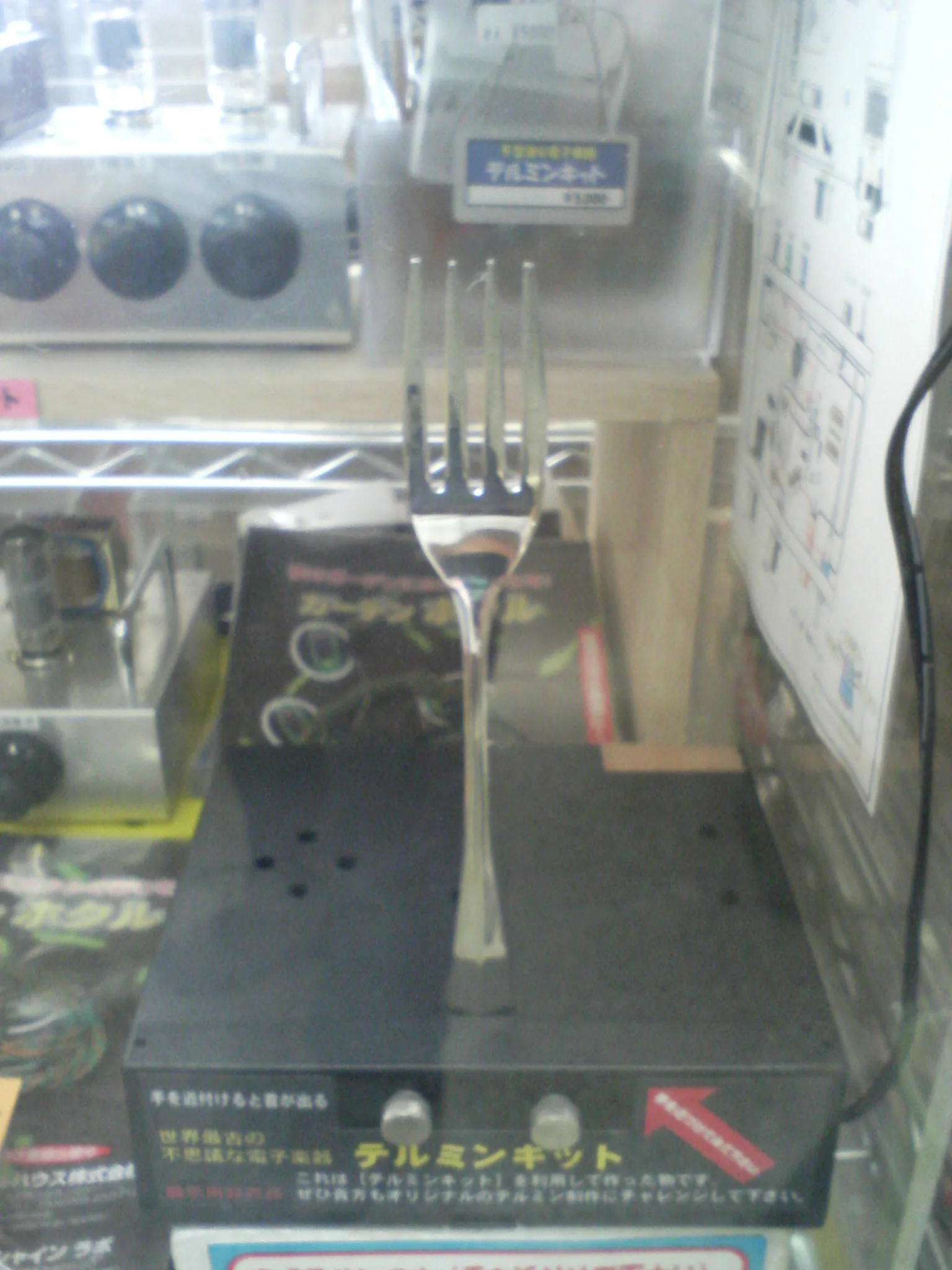
The theremin uses radio frequency oscillators: one fixed and one variable. Its two antennas allow the frequencies to be adjusted.
The performer’s body acts as a conductor. It affects the oscillations, producing audible electronic sounds.
This theremin technique draws on electromagnetic physics to make music. It changed musical composition and revolutionized electronic instruments.
Its capacity for modulation and direct interaction is unique. It enabled an unprecedented integration of technology into sound creation.
| Feature | Description |
|---|---|
| Oscillator type | Radio frequency |
| Antennas | Two antennas: one for pitch and one for volume |
| Interaction | Controlled by hand movements |
| Applications | Electronic music, soundtracks, sound art |
| Influence | Inspiration for many modern synthesizers |
This process creates a distinctive depth of sound and invites performers to interact intuitively with the instrument. How the theremin works has left a lasting mark on electronic music.
This innovative approach opened the way for many musical experiments.
The unique sound of the theremin: explanations and examples
The theremin is known for its unique sounds, which captivate listeners. Its mysterious tones evoke powerful emotions, from sadness to joy. It appears in classic films and modern music, where it helps create new soundscapes.
Theremin sounds
Theremin sounds are often perceived as otherworldly. Because the instrument is played without contact, musicians can perform intuitively. Pitch and volume change with their hand movements, creating a unique dialogue between musician and instrument.
Uses in modern music
The theremin is used in many musical genres. Bands such as the White Stripes and composers such as Bernard Herrmann have used it, bringing an innovative touch to their work. In electronic music, it enriches the sound and lets musicians explore new possibilities.
Studies by researchers such as Hermann Ludwig von Helmholtz show the links between physics and music. They help us understand how sound is perceived. A theremin player can therefore match performers of traditional instruments in virtuosity and expression.
To learn more about sound and its implications, read this fascinating article on physics.
| Artists and works | Type of music | Impact |
|---|---|---|
| White Stripes | Rock | Broadening the range of sounds |
| Bernard Herrmann | Soundtrack | Creating an immersive atmosphere |
| Clara Rockmore | Classical and contemporary music | Theremin pioneer |
History of the theremin
The theremin is the world’s first electronic instrument. Leon Theremin invented it in the 1920s. Its defining feature is that it can be played without contact.
It uses the difference between two oscillators to create sound. Theremin captivated audiences with the instrument’s unique tones, which combine technology and art.
Invention by Leon Theremin
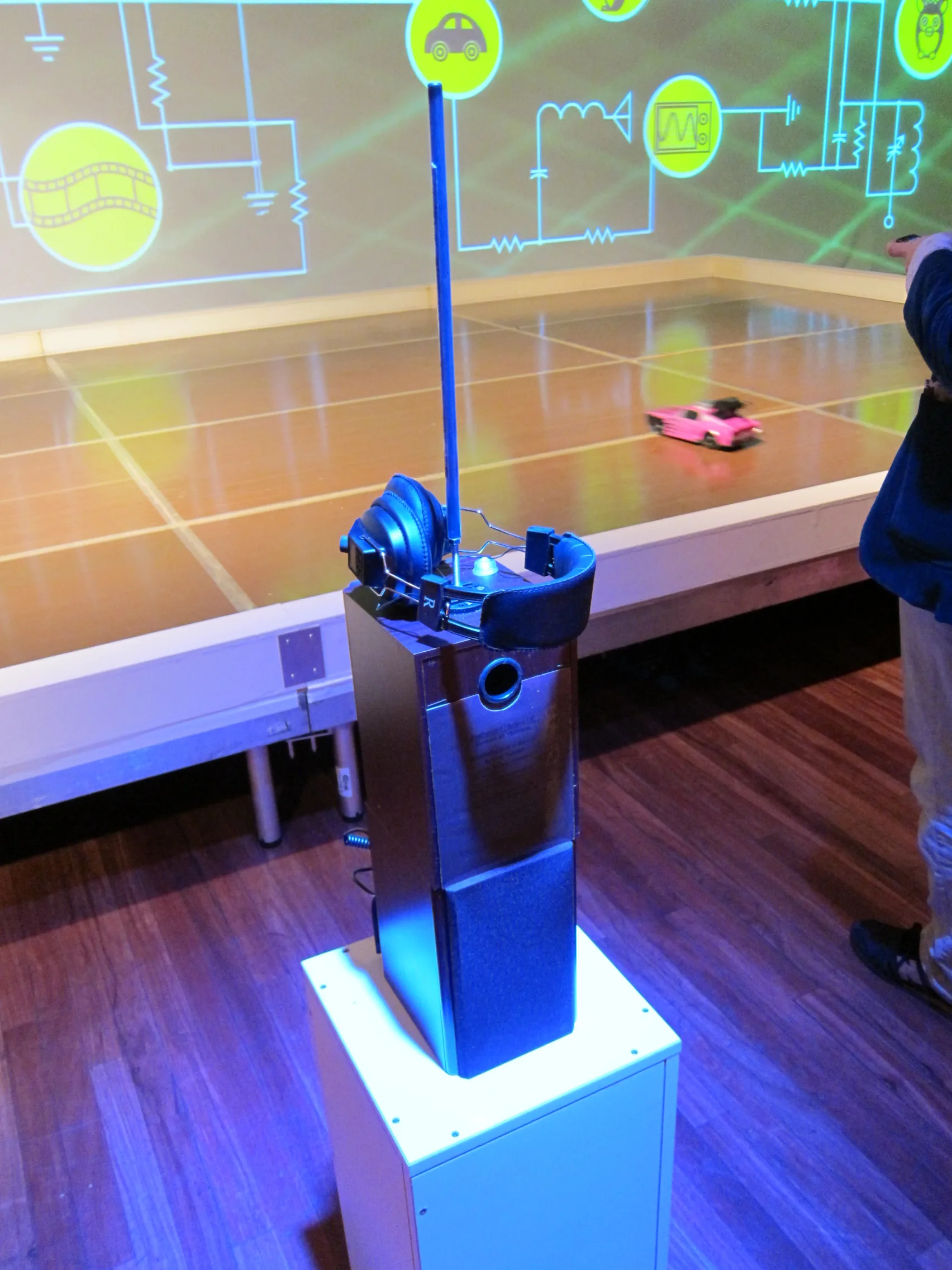
Leon Theremin created his instrument while studying the density of gases. His invention marked the beginning of the theremin’s history. With its two antennas and simple controls, the instrument became accessible to many musicians.
RCA marketed it in the following years, and it became a symbol of emerging electronic music.
Evolution over the decades
Since its creation, the theremin has influenced many musical genres. It has been used in film music, contemporary classical music, and even rock. Clara Rockmore is one of the instrument’s leading figures.
Composers continued to explore the theremin and incorporated it into a broader family of electronic instruments, including synthesizers. To learn more about the influence of technology on music, see this resource.
Theremin playing techniques
Playing the theremin takes considerable work and practice. Musicians must learn to control pitch and volume, which requires good hand coordination.
Tips for learning to play
A few tips can help beginners:
- Use visual markers to identify hand positions in the playing space.
- Practice hand flexibility exercises regularly to build muscle memory.
- Explore different scales to become familiar with changes in pitch.
The role of coordination and hearing
Coordination is essential for playing well. Movements must be smooth and precise. A good musical ear helps players hear subtle differences in sound.
Active listening sessions are important. They help players better understand changes in pitch and volume, enriching the musical experience and improving their performance.
Conclusion
The theremin is an exceptional technical innovation that embodies the spirit of artistic exploration. Its unique sound has captivated generations of musicians.
The instrument has influenced many fields, from classical to electronic music. Although it is difficult to master, interest in it remains strong.
The theremin has a place in many musical styles and genres. This versatility shows its potential in the electronic music of tomorrow.
Technological innovations suggest that the theremin may play an increasingly prominent role in composition and live performance.
The theremin’s artistic potential is immense. Artists continue to explore it and push its limits. This instrument shapes contemporary music in unique and innovative ways.