
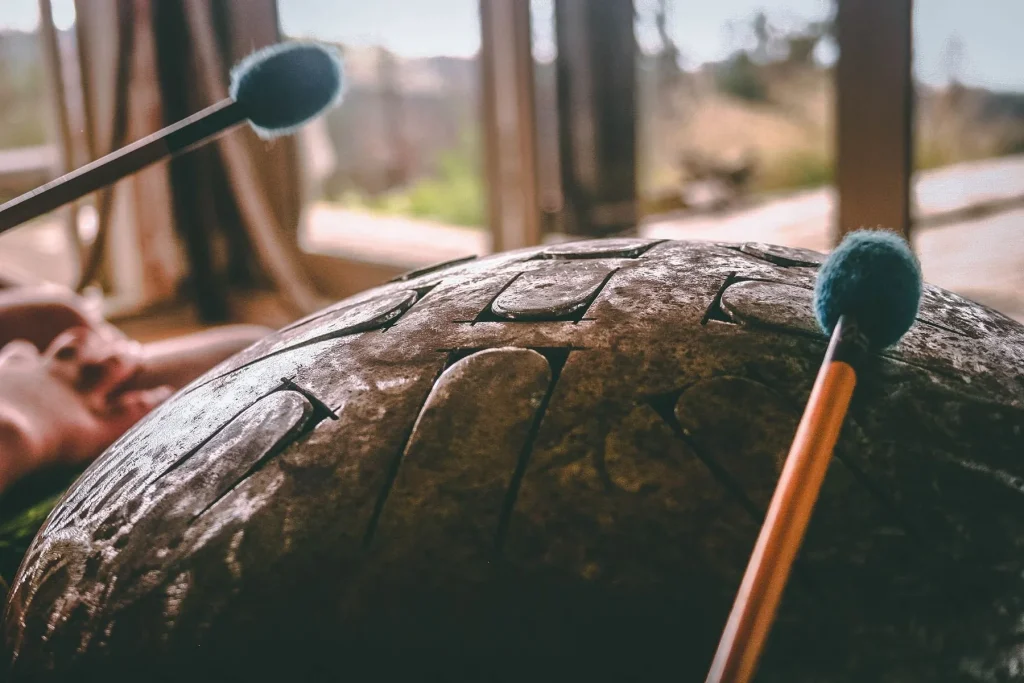
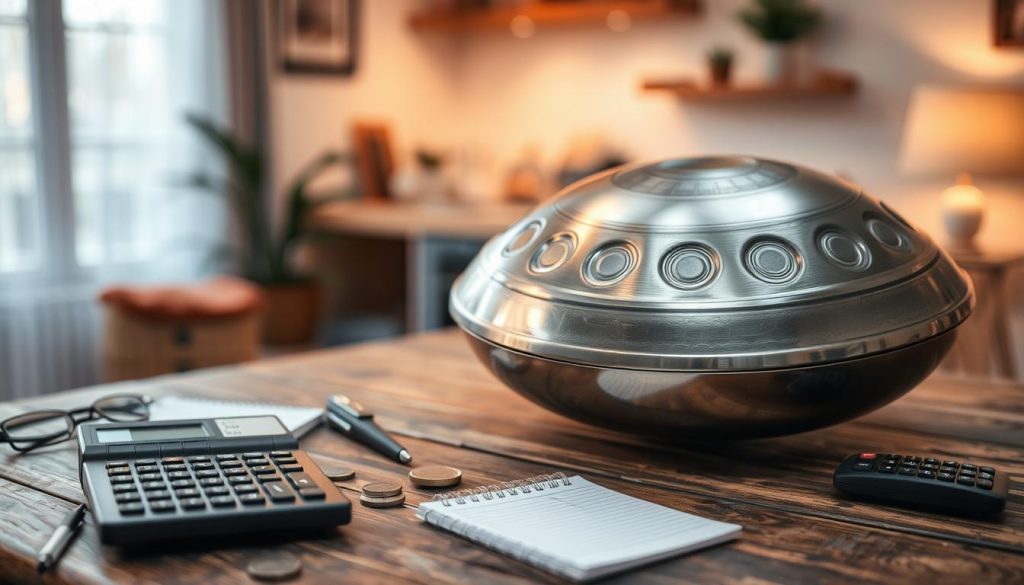
The handpan is a unique acoustic instrument that originated in Switzerland in 2001 thanks to PANArt. Its oval, flying-saucer-like shape consists of two joined steel shells. The upper shell has a central note, called the “ding,” surrounded by several other notes.
When considering the purchase of such an instrument, cost is often the first concern. Prices vary considerably, from €400 for lower-end models to more than €10,000 for collectors’ pieces.
In this article, we will explore the factors that influence the price. For example, a good handcrafted nine-note model generally starts at €1,000. This benchmark is useful if you want to invest wisely.
We will also cover criteria such as build quality, the number of notes and the type of steel used. By the end, you will be able to set a budget that suits your goals and how you intend to play.
Understanding handpan prices and why they vary
The handpan is a fascinating instrument, far more than a simple musical object. Its distinctive construction, with two welded metal shells, gives it a rich, deep sound. With notes arranged around the ding, this melodic percussion instrument attracts many enthusiasts.
In the world of handpans, sound quality and craftsmanship matter greatly. Musicians value precise tuning and the maker’s skill. Yet price remains a crucial question. Why do prices vary so much? Several key factors explain the range.
A quick introduction to the handpan
The handpan is often confused with other instruments, but it is neither a drum nor a steel tongue drum. This instrument has its own distinctive tone and long resonance. Each note is carefully hammered and tuned by hand, requiring hours of meticulous work.
From €400 to over €10,000: why such a wide range?
Handpan prices range from €400 for factory-made models to more than €10,000 for collectors’ pieces. Several factors explain this wide range:
- Build quality: Handcrafted models require extensive expertise, while factory-made models are often mass-produced.
- Number of notes: A handpan with more notes generally costs more. Models with seven to nine notes start at around €1,100.
- Type of metal: High-quality steel is essential for good resonance and directly affects the price.
- Maker’s reputation: Renowned makers may charge more because of their expertise.
Low-priced models, often made in factories, may have tuning flaws. That can make them unsatisfying to play. A handcrafted instrument costs more but can offer better sound quality.
“The price of a handpan mainly reflects the working time, technical difficulty and expertise needed to produce a stable, harmonious instrument.”
Understanding this variation in price is the first step toward choosing a handpan. The following sections examine the technical factors in more detail.
Technical factors that affect the price of a handpan
When assessing an instrument’s cost, the manufacturing method plays a crucial role. The distinction between a handcrafted and a factory-made model is fundamental. A handcrafted handpan is hammered entirely by hand. This takes hours of careful work with manual and pneumatic hammers. Each strike helps shape and tune the notes precisely.
Factory-made models, by contrast, are often machine-pressed. This can produce circles that are too uniform and may compromise tuning. Their notes can be unpredictable and detract from the playing experience. A high price does not always guarantee good quality, however, so pay attention to the details of construction.
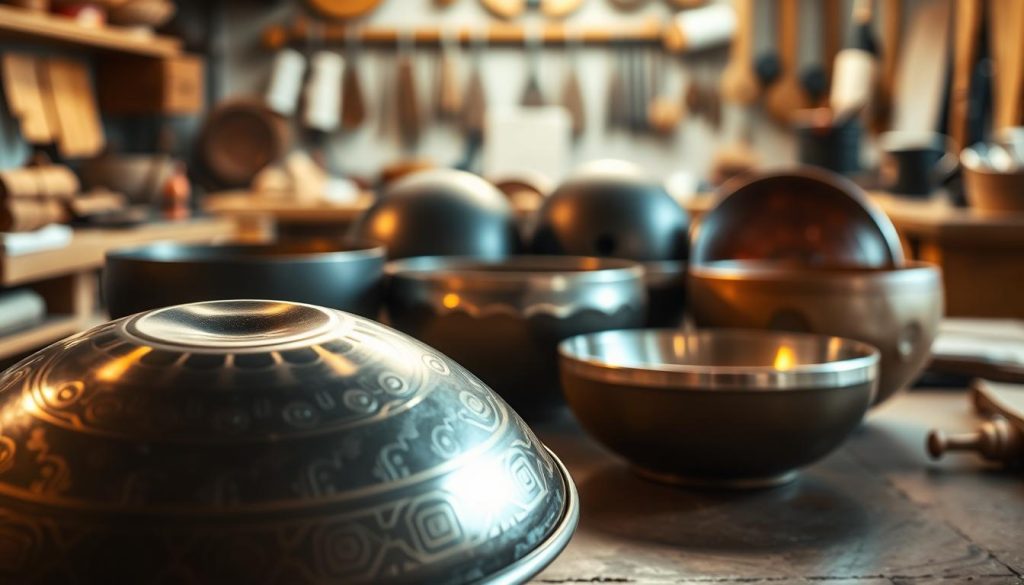
On average, a good handcrafted handpan with nine notes in a standard scale costs around €1,000. Models priced at €500 or less are generally factory-made. They usually lack the hours of a maker’s work, which can affect their sound quality. It is advisable to favor instruments that have been worked on by a skilled maker.
Working time is another major factor in the final price. A handpan requires dozens of hours of hammering and tuning. The more experience a maker has, the more satisfying the result is likely to be. Established makers also invest in training and sound research, contributing to the quality of each instrument.
It is therefore crucial to choose a carefully made handpan. A skilled maker can provide better tuning and a more enjoyable playing experience. For more information about different types of handpans, read this article on prices and budgets.
Number of notes: a key factor in your budget
When buying an instrument, the number of notes is an important consideration. The more notes a handpan has, the higher its price tends to be. Each additional note takes more time and effort to hammer and tune.
A handcrafted handpan generally starts at around €1,000. Each additional note may add €100 to €200. A 12-note handpan, for example, will cost appreciably more than a nine-note model because it is more complex to make.
How the number of notes affects the cost
The number of notes directly affects the range of melodies you can play. More notes also make tuning more delicate. Each must work harmoniously with the others, which requires considerable adjustment time.
Additional notes: bottom notes and mutant models
Bottom notes, placed on the lower shell, add depth and texture to the sound but also increase the price. Mutant models, which include floating or combined notes, are intended for experienced musicians. Their tuning demands exceptional precision, and the cost reflects that.
For a first purchase, an eight- to ten-note model is often recommended. It offers a good balance of simplicity and musical range. Choose the number of notes according to your budget and musical goals.
“Every note added to a handpan raises its cost and expands its musical possibilities.”
How a handpan’s scale affects its price
Understanding scales is essential when exploring handpans. An instrument’s scale is a sequence of notes that defines its musical mood and melodic possibilities. The choice of scale can affect the price, as popular scales are often less expensive.
Standard scales and custom models
Standard scales such as D Kurd are widely available from many makers, which helps keep prices down. Custom models, where the buyer chooses every note, cost more because they require specific tuning work.
A recommended starting point: the D Kurd scale
For a first purchase, D Kurd is often recommended. It is popular, affordable and suits many playing styles. D Kurd, a D minor scale, is versatile and makes learning easier, making it a good choice for beginners.
Listen to several scales before deciding. Your preference is ultimately a matter of personal taste and emotion. The scale shapes the mood evoked by the melodies; no scale is universally best or worst.
To control your budget while buying a quality instrument, consider a standard scale. The scale is central to the handpan and deserves careful thought before purchase.
| Type of scale | Characteristics | Effect on price |
|---|---|---|
| Standard | Popular, accessible, varied | Generally lower price |
| Custom | Unique, specified by the buyer | Higher price |
| D Kurd | Versatile, easy to learn | Affordable price |
The metal used: nitrided steel, stainless steel and Ember Steel
The materials used to make handpans play a major role in their sound quality and price. Three types of metal are commonly used: nitrided steel, stainless steel and Ember Steel. Each has distinct acoustic properties and falls within a different price range.
Comparing the materials’ sound and prices
Nitrided steel is valued for its clear, incisive tone. It provides a responsive, percussive feel, making it a good choice for musicians who like to bring rhythm to their performances.
Stainless steel, by contrast, has a long, enveloping resonance. It suits meditative music, relaxation and yoga. It is also easy to maintain and naturally resists corrosion.
Ember Steel is newer, often more expensive and harder to find. It can cost up to twice as much as a comparable nitrided or stainless steel model. More complex processing helps explain its higher cost.
What this means for your budget
Nitrided and stainless steel models are relatively similar in price. Choosing between them largely comes down to the sound you prefer. Nitrided steel can produce a rich, deep sound with appealing harmonics, while stainless steel offers a brighter tone.
Consider the type of metal when setting your budget. It affects both the purchase price and long-term maintenance. A stainless steel instrument generally needs less care than a nitrided steel one.
Ultimately, your choice of metal depends on your sound preferences and intended use. Try different handpans to discover which material suits you best.
Why does a handpan cost so much? The real cost of the instrument
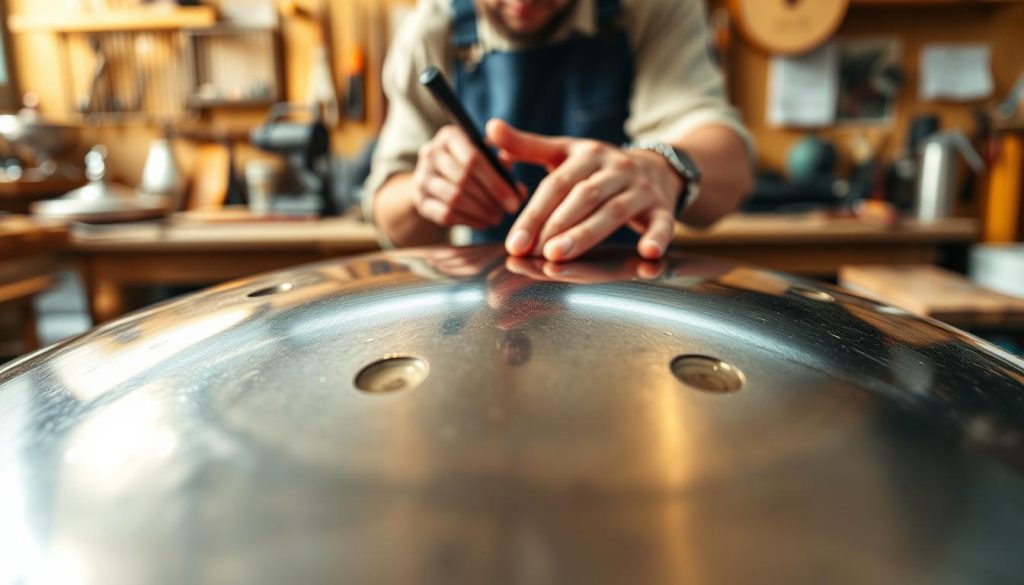
Making a handpan by hand requires a substantial investment of time and skill. A maker often spends dozens of hours hammering, shaping and tuning each note. This work produces a harmonious, high-quality instrument.
The final price cannot be substantially reduced without compromising quality. Factory-made models are simply machine-pressed and do not receive the precise tuning work that makes such a difference to their sound.
The investment in labor and expertise
A good handpan needs precise tuning, carried out over several passes with careful adjustments. Each note should sound consistent wherever it is struck. Harmonics such as the fifth and octave must also resonate together to create a rewarding sound.
How low-priced factory models differ
The quality of the bond between the two shells also matters. A flexible adhesive provides better durability than a quick-drying one. An unusually cheap handpan, however, may have significant flaws, including unstable notes and uneven resonance.
A handpan’s price also reflects the maker’s reputation and experience. A good maker provides reliable after-sales support, which matters to musicians. Investing in a well-made handpan is therefore a sensible way to obtain a stable, harmonious and durable instrument.
Handpan prices: how much should you budget to choose well?
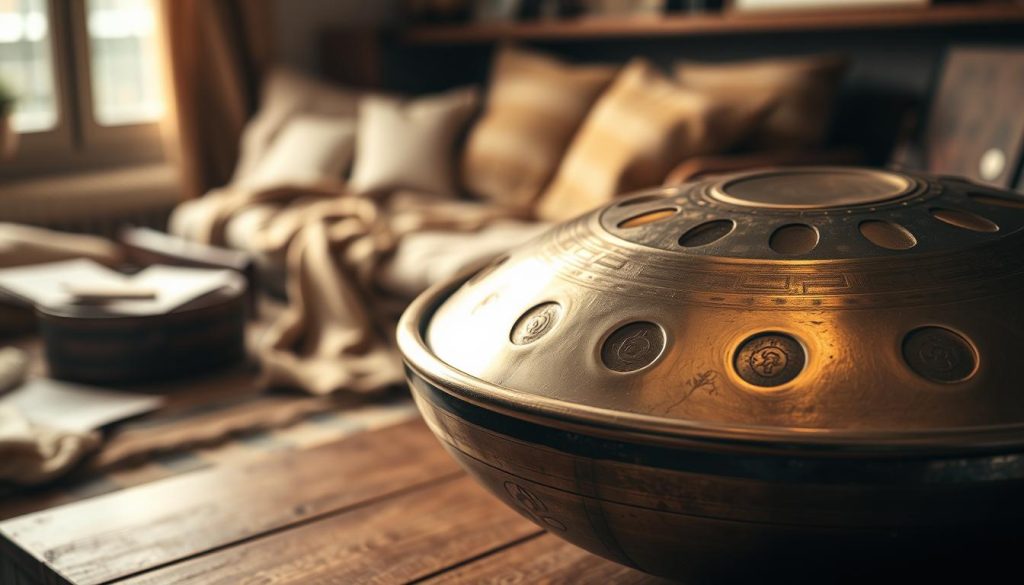
The cost of a musical instrument can vary considerably. If you are thinking of buying a handpan, knowing the approximate price ranges will help you choose a model that suits your expectations and budget.
Indicative price ranges by quality and features
Here are typical price ranges you may encounter:
- First quality instrument: €900 to €1,400.
- Mid-range handcrafted model: €1,400 to €2,000.
- High-end model: models with low notes and mutant models, from €2,000 to €5,000 or more.
These ranges reflect the working time, technical difficulty and expertise needed to make a stable, harmonious instrument. An unusually cheap model priced below €500 often involves compromises in sound quality and durability.
Match your budget to your goals and intended use
When buying, match your budget to your musical goals. An instrument for personal relaxation does not have the same requirements as one used in concert. Possible uses include:
- Personal relaxation: a model with long resonance and a gentle scale.
- Yoga or sound therapy: a stable tone and soothing harmonics.
- Concerts or group playing: clear volume and precise tuning.
For beginners, an eight- to ten-note instrument in a standard scale such as D Kurd is recommended. It offers good value and lets you explore a variety of melodies.
Remember to budget for accessories such as a protective case, as well as possible maintenance costs such as future retuning. The handpan market has become more accessible, making it easier than ever to find a good instrument.
Choosing the right handpan means finding a balance between your budget, musical goals and the instrument’s quality.
| Type of instrument | Price range | Characteristics |
|---|---|---|
| First instrument | €900 to €1,400 | Entry-level quality, ideal for beginners |
| Mid-range | €1,400 to €2,000 | Handcrafted, with a rich and balanced sound |
| High-end | €2,000 to €5,000 or more | Complex construction, low notes, unique models |
The second-hand market: opportunities and precautions
The second-hand market can be a good way to buy an instrument for less. It also carries significant risks, so research the purchase carefully before committing.
Benefits and risks to know about
The main benefit of buying a used handpan is the lower price. It may put a higher-quality model within your budget. Stay alert, however, to scams on platforms such as Leboncoin and eBay.
Many used instruments may be out of tune because of poor maintenance or past accidents. Retuning can be expensive and make a purchase less attractive than it first appears.
Tips for a safer purchase
For a safer purchase, follow these practical tips:
- Examine the instrument: See and play the handpan in person before buying it. Do not rely solely on photos and videos.
- Bring someone with you: Avoid going to the meeting alone, especially if you will pay in cash.
- Ask for evidence: A reliable seller should provide photos, videos and information about the instrument’s overall condition.
- Check the tuning: Ask for a recent video in which each note is played slowly and separately.
Watch for warning signs such as a missing video, blurry photos or an unusually low price. Be wary of sellers who refuse to meet in person.
If you are a beginner, buying used is generally inadvisable. Without experience, it can be difficult to assess an instrument’s condition. Also remember that, once the transaction is complete, you generally have little recourse against the seller.
Buy from a qualified professional you can trust
When buying a handpan, it is important to turn to a trustworthy professional. The sums involved can be substantial, and counterfeit instruments are a risk. Choosing your seller carefully helps protect the quality of your purchase.
Several factors can help identify a reliable seller. They should readily provide photos, videos, note-frequency information and details of the instrument’s overall condition. These help you assess its quality before buying.
How to identify a reliable seller
- Responsive after-sales service: A good seller should respond promptly to customer enquiries.
- Warranty: Check that the seller offers a warranty on the instrument, showing confidence in its quality.
- Clear returns policy: Make sure the seller has a clear policy that lets you return the instrument if necessary.
- Retuning service: A good seller should offer local retuning or ongoing support to help the instrument last.
Examples of recommended shops in France
One French shop known for value is Instruments du Monde. It is recognized for its after-sales service and commitment to customers. Sound-Sculpture is another specialist shop offering a broad choice of instruments, trials and rentals, along with a 14-day money-back guarantee and the possibility of an exchange within 30 days.
Buying directly from a maker differs from buying at a specialist shop. A maker offers a direct relationship and unique instruments, though waiting times may be long. A specialist shop lets you try several models and provides individual guidance.
Consider sellers who are active in the handpan community, including player groups and forums. Such involvement can be a sign of reliability.
Choosing a good seller matters as much as choosing the instrument itself. A quality handpan backed by dependable after-sales service will help you enjoy playing for years to come.
Conclusion: choosing the right handpan for your budget
Buying a musical instrument such as a handpan takes careful thought. To make an informed choice, consider the scale and number of notes, and check the quality of the tuning.
A good handcrafted nine-note instrument starts at around €1,000. Price ranges vary: a first quality model costs between €900 and €1,400, while high-end models exceed €2,000.
The material, such as nitrided or stainless steel, also affects the sound. Choose a reliable seller who offers after-sales service and a warranty. A handpan is an investment for several years, so it is sensible to choose a good model from the start.
Finally, take time to listen to different scales and try the instruments. You can then set an appropriate budget and make an informed choice.